
REVIEW · CRUISES & BOAT TOURS
From Cairo: 8-Day Tour of Cairo, Luxor and Aswan with Cruise
Cairo in eight days is a sprint, in a good way. I like how this plan stitches together the big icons, plus the Cairo old-city feel, then finishes with a relaxed Nile cruise between Luxor and Aswan. You get private guidance, included meals, and door-to-door transport that keeps you from spending your vacation in lines and confusion. One consideration: service quality can vary by day, and while the pacing is efficient, you may feel a bit rushed during some temple visits.
What I like most is the balance between must-sees and breathing room. You start with Giza and Saqqara, add Islamic and Coptic Cairo, fly to Luxor, then spend multiple days moving along the Nile with guided stops. You also get a special morning highlight, the hot air balloon over Luxor, which is the kind of experience that makes the whole trip feel worth it. The tradeoff is that you will be up early more than once, especially with breakfast boxes for the earliest outings.
If you want a stress-light, classic Egypt route with enough comfort to actually enjoy it, this tour fits. It is not the cheapest way to do Egypt, but it is strongly priced for what is included: hotels, cruise, flights, most entry tickets, and a full schedule of guided sightseeing.
In This Review
- Key points that matter before you go
- First-night Cairo, then a Nile gala evening
- Giza, Sphinx, Memphis, and Saqqara in one guided push
- Cairo Citadel and Muhammad Ali Mosque, then Coptic Cairo churches
- Flying to Luxor, then Karnak and Luxor Temple with a Nile break
- Hot air balloon over Luxor and a West Bank tomb day
- Edfu and Kom Ombo as cruise-stop bonuses
- Early Abu Simbel, then Philae in Aswan
- Ending in Cairo after cruise breakfast and a flight
- Price and value: what your money buys
- Pacing and comfort: what it feels like day to day
- Who this tour is best for
- Should you book this Cairo, Luxor, and Aswan with cruise tour?
Key points that matter before you go
- Private guide plus private vehicle for the Cairo and temple days, so you are not crammed into a generic bus tour.
- 5-star Cairo hotel and 5-star Nile cruise for a smoother sleep schedule between big sightseeing days.
- Hot air balloon over Luxor early in the morning, plus West Bank tombs the same day.
- Felucca ride on the Nile in Luxor for a slower, scenic break.
- Abu Simbel early morning trip timed as a highlight, then Philae in Aswan later.
- Most major entrances and guided stops included, so you spend less time budgeting day-by-day.
Trying to choose? These Cairo trips kept surfacing in our notes.
- Cairo: Pyramids & Great Sphinx Private Tour with Camel Ride★ 4.9 · 6,335 reviews
- Tour to Giza Pyramids and The Egyptian Museum★ 5.0 · 6,016 reviews
- VIP All inclusive Best of the best Giza Pyramids,Sakkara,Memphis★ 5.0 · 3,164 reviews
- From Cairo: Pyramids of Giza, Sphinx, Saqqara & Memphis Tour★ 4.7 · 3,110 reviews
First-night Cairo, then a Nile gala evening
This trip begins the way you want it to: someone meets you outside the exit hall with a clear sign, then you go straight for a traditional Egyptian lunch. After that, you check into your 5-star hotel in Cairo and get a proper first rest before your first big night.
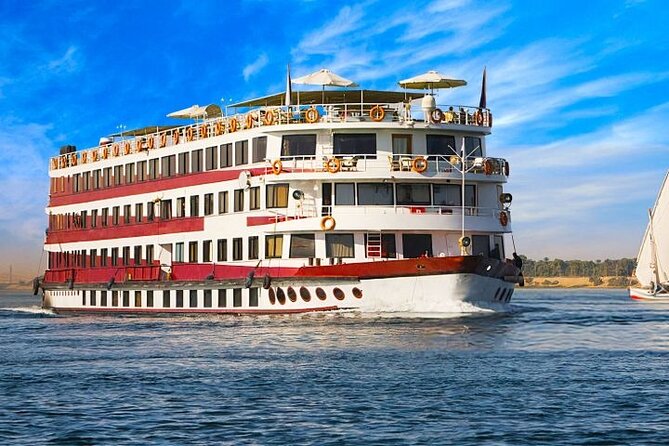
The evening is built around a gala dinner on a Nile cruise ship. You do dinner, watch folklore-style performances, and enjoy the river ambience while the boat moves. This is a smart first introduction because Cairo can feel loud and confusing on arrival day. A cruise night gives you a calmer start, plus it helps you get oriented before the temples and neighborhoods.
One practical note for your mindset: the itinerary front-loads big energy. You will have entertainment that night, then early mornings start soon after. If you are sensitive to jet lag, plan for that, and keep your first day lighter.
Giza, Sphinx, Memphis, and Saqqara in one guided push
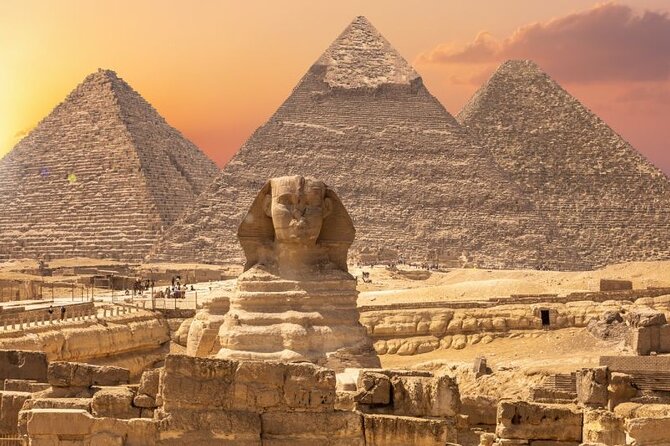
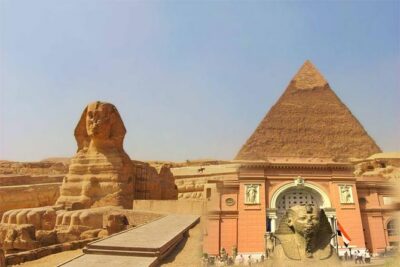
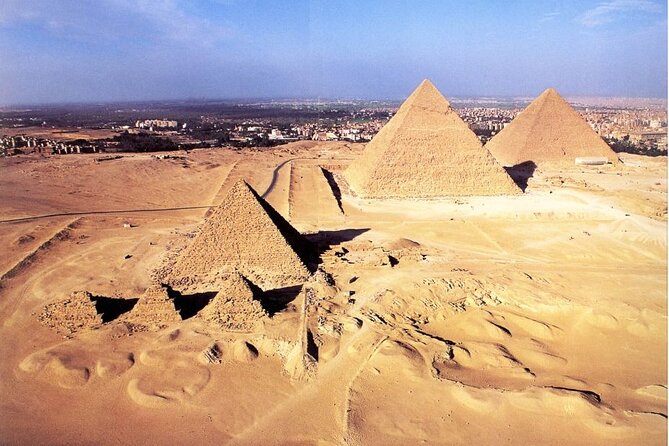
Day two is the classic pyramid day, handled the way you hope it will be. After breakfast, a private guide brings you to the Great Pyramids of Giza and the Sphinx. The scale hits fast in person. Even if you have seen photos, the geometry of the pyramids and the Sphinx’s position make it feel real, not like a postcard.
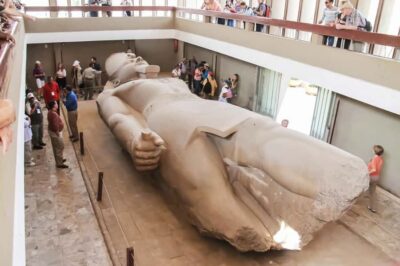
Then you keep going beyond the headline monuments. You stop in Memphis, tied to thousands of years of ancient Egyptian history and the worship of Ptah. The point of this stop is not just name recognition. It helps you connect the pyramids to the broader civilization instead of treating them like isolated statues.
Next comes Saqqara, often the more rewarding stop if you like history that feels less like a theme park. You see the Step Pyramid of Djoser and you get the Old Kingdom context that makes the later pyramid building make sense. It also gives you a different kind of photo set, because Saqqara’s layout feels open and archaeological instead of packed.
Lunch is included, and you return to the hotel for dinner and overnight. This day is long, but it is efficient. If you want to see these sites in a single flow, this is one of the better ways to do it.
Cairo Citadel and Muhammad Ali Mosque, then Coptic Cairo churches
Day three is split between Islamic Cairo and Coptic Cairo, which is exactly what I recommend if you want a fuller picture of modern Cairo rather than only ancient wonders.
First you visit Cairo Citadel and the Muhammad Ali Grand Mosque, known as the Alabaster Mosque because of its alabaster panels. This is the kind of stop that pays off if you slow down for details like wall surfaces, arches, and inscriptions. The mosque is also described as being illuminated by candlelight, which means the setting is designed for atmosphere, not just photos.
Then you shift to Coptic Cairo with the Church of Saint George (Mary George) and the Hanging Church. The Hanging Church is especially interesting because it is believed to be among the earliest basilica-style churches in Egypt, and it includes 110 icons. The mixed materials and how old icons are described gives you a sense of continuity, with layers of meaning stacked over centuries.
Between the two sides, you get lunch at a local restaurant. This helps break up the day without turning lunch into an extra sightseeing detour. You finish back at your hotel for dinner and sleep.
Flying to Luxor, then Karnak and Luxor Temple with a Nile break
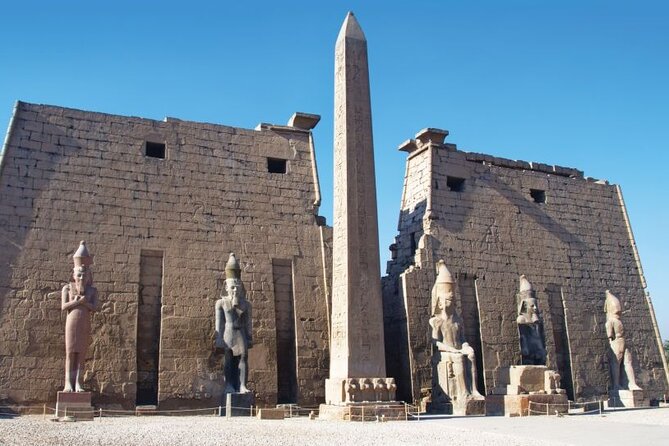
On day four, you fly from Cairo to Luxor. The tour handles the airport transfer, and when you arrive, your guide waits outside the exit hall. Once you are in Luxor, the day is structured around two major temple complexes: Karnak and Luxor Temple.
Karnak is described as a massive collection built over 1,500 years, with multiple main temples and smaller ones. What matters for your visit is how the site shows change over time. Instead of one building with one era, you experience the way power and devotion kept evolving.
Then you move to Luxor Temple, smaller but still highly preserved. It is known for well-preserved hieroglyphs and statues, and it was tied to the Opet celebrations. That celebration link is useful because it reminds you these spaces were not only monuments, they were part of rituals.
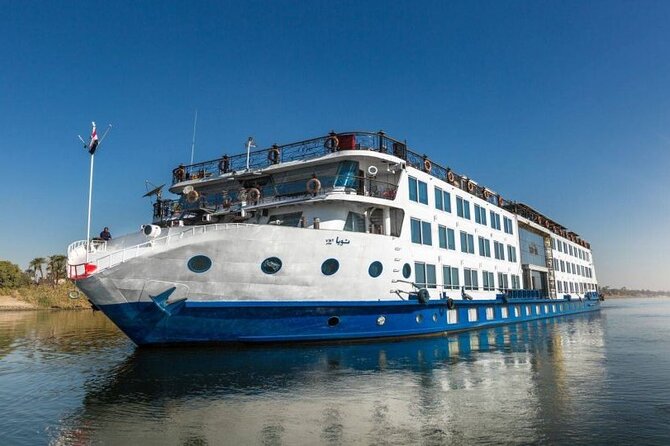
You also build in a real recovery moment: you go to the boat for check-in at lunch time, then later you have a one-hour felucca ride on the Nile. This is a good pacing trick. You go from stone and dust to a slower boat experience, and you get back to your cruise for the night.
Hot air balloon over Luxor and a West Bank tomb day
Day five starts early with a hot air balloon ride over Luxor. You get a breakfast box idea, so you are not scrambling for food before takeoff. This is one of the few activities in Egypt that gives you a true aerial sense of the geography, especially with the Nile splitting the east and west banks.
When the balloon lands, a professional guide waits to explore the West Bank. This is where you see the Valley of the Kings. It looks unimpressive from outside, and that is part of the lesson. The real value is underneath, where tombs are described as elaborately painted and carved.
The route also includes the Temple of Hatshepsut, which is a strong addition because it adds a royal story beyond the burial theme. You stop at the giant statue of Memnon for fun photo moments, then you return to the boat for lunch and continue sailing toward Edfu.
If you hate early mornings, this is the day to think about. The payoff is that the balloon and West Bank visits are planned before crowds and heat. Even if your photos are not perfect, the experience itself tends to be the memory.
Edfu and Kom Ombo as cruise-stop bonuses
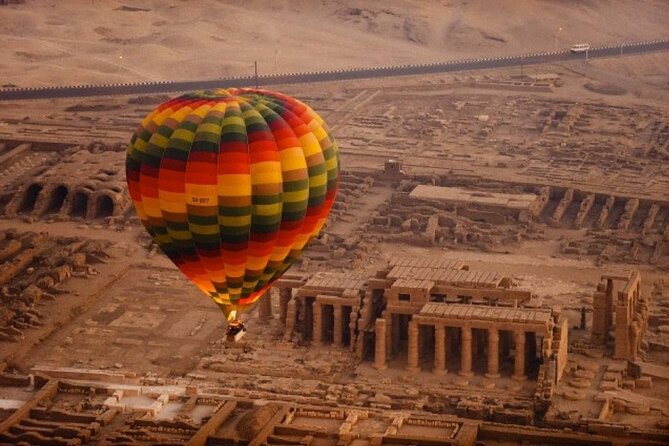
As the cruise sails along the Nile, day six is about two stops that many people treat as side missions, but which you will probably enjoy more if you like temple detail.
In the morning, you visit Edfu Temple, dedicated to Horus. The stop is described as representing the lost art and the spirit of ancient civilization from the Ptolemaic Dynasty viewpoint. That framing matters: it helps you understand that Egypt’s temple world was not frozen in one era, it kept being shaped by later rulers.
After that, you cruise to Kom Ombo, where the temple is dedicated to two gods: Sobek and Haroeris (Horus the falcon). The site’s name is explained as meaning a pile of gold, and the double-deity concept is a clear hook for your attention. Your guide covers interesting facts, which is what makes a temple stop feel like more than standing and scanning walls.
Dinner is on the ship, and the day ends with sailing to Aswan at night. For your energy level, this day is a sweet spot. You get sightseeing, but the cruise keeps your routine steadier.
Early Abu Simbel, then Philae in Aswan
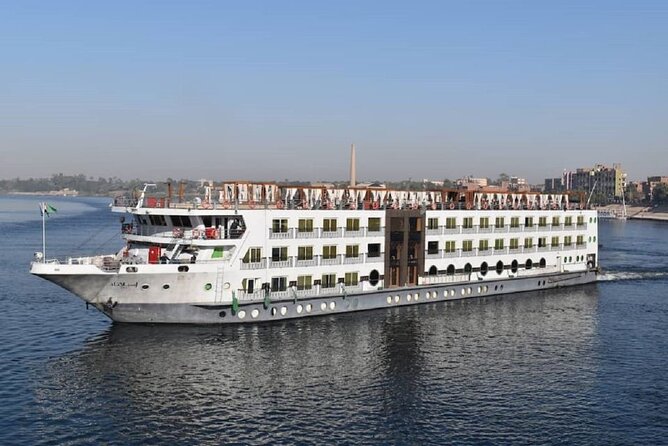
Day seven is a full day built around two of Egypt’s most famous temple experiences: Abu Simbel and Philae.
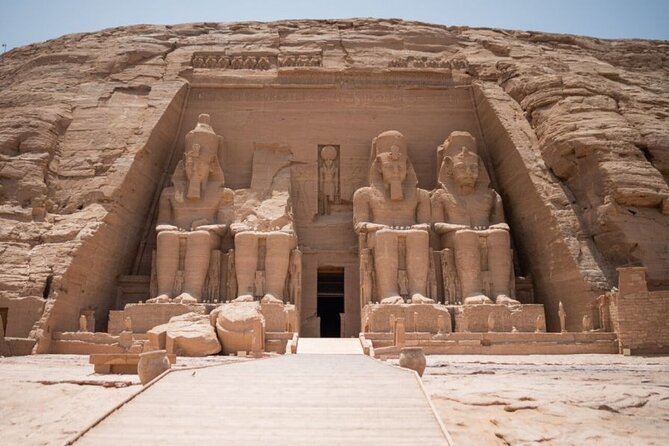
You head out early again, using a breakfast box, to travel by group to Abu Simbel. The tour focuses on why Abu Simbel exists where it does, with the story of how the temple was moved to be saved from destruction due to floods, and then placed on the UNESCO World Heritage list. The context helps you understand that you are not only seeing ancient art, you are seeing a preservation story.
The temple is built by Ramses II, and the dedication is described as including national gods like Ptah, Ra, and Amun, plus Ramses II as a deified king. That name and dedication setup is useful because it gives you a structure to follow as you look at the iconography.
After returning to the boat for lunch, you go to Philae Temple. It is described as the Pearl of Egypt, with walls covered in hieroglyphics and many sculptures of Egyptian gods. This is a good contrast after Abu Simbel. Abu Simbel feels massive and iconic; Philae can feel more layered in the way it presents inscriptions and religious imagery.
Ending in Cairo after cruise breakfast and a flight
Day eight is a reset day rather than a heavy sightseeing day. You have breakfast on the ship, then you get picked up and transferred to the airport for your flight back to Cairo. The trip ends after you return, with an agent waiting again to welcome you at Cairo and take you to your hotel safely.
That final day is short on purpose. It keeps you from stacking one last temple on top of a full week. If you have a tight work schedule or need to start home travel without too much stress, this kind of wrap-up helps.
Price and value: what your money buys
At $1,200 per person, this tour is not a budget-only option. But it does include a long list that adds up quickly in Egypt.
What you should value most is not just the headline items like pyramids and the cruise. It is the combination of:
- Private guide and private transport for key Cairo temple days
- Flights Cairo to Luxor and Aswan back to Cairo
- 5-star accommodation in Cairo for three nights and a 5-star Nile cruise for four nights
- Entrance fees included for the sites described
- All daily meals plus a felucca ride and the hot air balloon
The tour also flags what is not included: drinks and tips, plus guide language choices are not guaranteed to match Spanish, German, or French. This matters because language can affect how much you actually take in at temples. If you prefer a specific language, confirm details early.
The one cost-related expectation I would set: drinks are extra, and tipping is not covered. If you want to keep spending tight, budget for those.
Pacing and comfort: what it feels like day to day
This itinerary moves with purpose. You will have several guided blocks that are long, plus multiple early starts. The upside is you get a complete Egypt circuit without trying to plan connections yourself. The downside is that you should keep your expectations realistic about crowds, walking time, and how quickly guides may shepherd group movement.
Comfort is generally supported by the hotel and cruise levels described as 5-star, and by including airport transfers, lunch stops, and meals daily. It is also helpful that the itinerary includes check-in timing on the boat and scheduled sailing segments, so you are not constantly jumping between locations.
Still, balance is the key. Some days are built around high-energy moments like balloon flight and Abu Simbel. Others give you a calmer flow along the river. If you find you get temple-fatigue, use the cruise sailing time to fully reset, even if you feel the urge to rush for photos.
Who this tour is best for
This plan is a good fit if you want:
- A classic Egypt route with major highlights already stitched together
- The convenience of transport, guides, and entry fees handled
- Comfort-focused lodging in Cairo and on the Nile
- A schedule that includes both big museums and spiritual neighborhoods in Cairo
It is also a fair choice if you like a mix of learning and views. You get pyramids, religious sites, tombs, and then Nile time that lets the trip breathe.
If you hate early mornings, or if you want total freedom to linger at monuments for an hour or two on your own, this might feel structured. You can still enjoy it, but you will need to adapt your pace.
Should you book this Cairo, Luxor, and Aswan with cruise tour?
I would book it if you want an Egypt trip that is organized, includes the big transport pieces, and lets you focus on the landmarks instead of logistics. The value is strongest when you price out flights, guides, entrance fees, and the cruise package, because this itinerary bundles them into one plan.
I would hesitate if your top priority is maximum flexibility, or if you are very picky about food quality and prefer perfectly consistent guiding at every single stop. This tour aims for smooth flow, but that style can mean less room for lingering.
If your goal is to see Egypt’s core highlights with private guidance, comfortable stays, and a Nile cruise that actually gives you downtime, this itinerary is a solid bet.
More of Cairo from our review pile
- Cairo Layover Tour to Giza Pyramids Egyptian Museum and Khan Khalili Bazaar
★ 5.0 · 25 reviews - Private Luxor Day tour from Cairo by Flight
★ 5.0 · 25 reviews - Private full day tour to Giza Pyramids, Sphinx, Sakkara and Dahshour with guided
★ 5.0 · 25 reviews - Nile Dinner Cruise in Cairo With Belly Dancing and Transfer
★ 5.0 · 25 reviews - Private Giza Pyramids,Sphinx,camel,lunch, 2 tombs,Great Pyramid
★ 5.0 · 25 reviews - All inclusive Giza Pyramids ,Sphinx ,Lunch ,Camel&Inside pyramid
★ 5.0 · 25 reviews
Cruises & Boat Tours, compared.
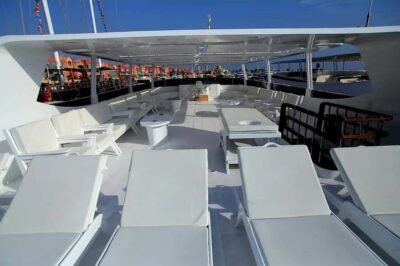 ★ 4.9Luxury Cruise Trip to Orange Bay with LunchFrom $535,451 reviews
 ★ 4.9Orange Bay Island Boat Trip w/ Breakfast and LunchFrom $345,345 reviews
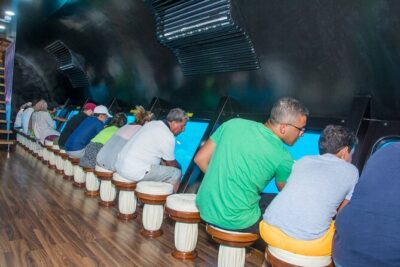 ★ 4.4Royal Seascope Submarine Cruise with Snorkel StopFrom $214,637 reviews
 ★ 4.73 Islands, Dolphins & Snorkel Yacht Trip w/ LunchFrom $474,609 reviews
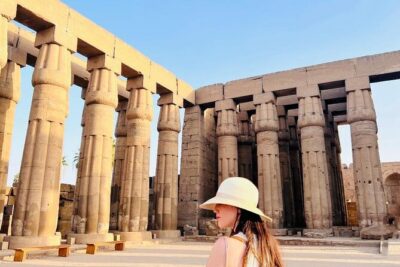 ★ 5.04-Days Nile Cruise From Aswan To Luxor including Abu Simbel and Hot Air BalloonFrom $3493,142 reviews
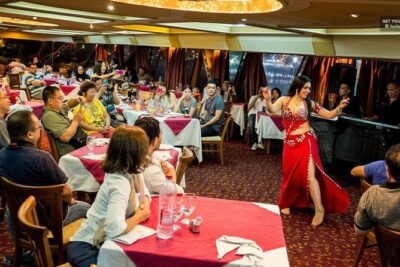 ★ 4.2Dinner Cruise on the Nile River with EntertainmentFrom $252,190 reviews
 ★ 4.5Hula Hula Cruise with Lunch, Massage, & SnorkelingFrom $261,875 reviews
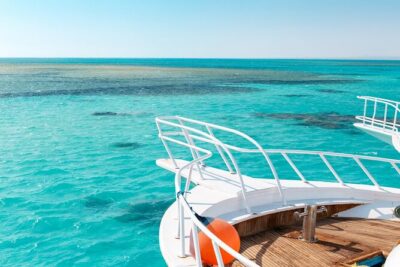 ★ 4.5White Island and Ras Mohamed Cruise AdventureFrom $261,824 reviews