
REVIEW · NILE CRUISES BETWEEN LUXOR AND ASWAN
From Aswan: 4 Days Nile River Cruise with Guided Tours
Nile nights feel like living history. I like how this 4-day cruise strings together Aswan and Luxor’s top sights with real guide context, and I really value the English-speaking Egyptologist who helps you make sense of what you see.
One thing to consider, schedules can shift due to local regulations, and that can tighten timing on the last stretch of sightseeing.
You’ll sail north in comfort, spend real time at major monuments, and still get included extras like an Egyptian horse-drawn carriage ride. I also appreciate that meals are included from the first lunch to the last breakfast, so you can focus on temples instead of logistics. The main drawback is simple: when the ship’s timing changes, some stops can feel rushed or crowded, especially around popular viewing windows.
In This Review
- Key things I’d zero in on
- Why Aswan to Luxor by Nile Cruise Feels Different Than Day Trips
- Day 1 in Aswan: High Dam, Motor Boat to Philae, Then Ship Time
- Day 2: Edfu Temple and Kom Ombo, With Carriage Ride Included
- Day 3 West Bank Focus: Valley of the Kings, Hatshepsut, and Carter’s House
- Day 4: Karnak Then Luxor Temple, the East Bank Finale
- Ship Life: Cabins, Meals, and the Stuff You Feel Every Day
- Guides, Timing, and Skip-the-Line: Where the Experience Can Shine or Tighten
- Price and Value: What $570 Covers, and What Costs Extra
- Who Should Book This Cruise, and Who Should Rethink It
- Should You Book This Nile Cruise?
- FAQ
- What are the main stops on this cruise?
- What is included in the price?
- Are entrance fees included?
- Are drinks and WiFi included?
- Is the tour guide live, and what language do they speak?
- How does pickup work in Aswan?
- Do I need to wait in ticket lines?
- Is this cruise wheelchair accessible?
- Can I get a full refund if I cancel?
Key things I’d zero in on
- 5-star ship comfort with private cabins and meals included from start to finish
- Guides with names you can remember, including George and Semi, who explain the sites in plain terms
- A smart mix of East Bank and West Bank sights, so you get the full Luxor story
- Philae to Kom Ombo to Edfu gives you temple variety, not just one long line of ruins
- Included carriage ride to Edfu Temple, which keeps one transition simple
- Timing sensitivity if the sailing schedule changes, you may lose a bit of flexibility at the end
More boats sailing the same stretch
- 4-Days Nile Cruise From Aswan To Luxor including Abu Simbel and Hot Air Balloon★ 5.0 · 3,142 reviews
- 4-Day 3-Night Nile Cruise from Aswan to Luxor&Abu Simbel+Balloon★ 5.0 · 2,023 reviews
- 4-Day 3-Night Nile Cruise from Aswan to Luxor including Abu Simbel, Air Balloon★ 4.5 · 612 reviews
- From Aswan: 4-Day Nile Cruise from Aswan to Luxor with Guide★ 4.1 · 593 reviews
Why Aswan to Luxor by Nile Cruise Feels Different Than Day Trips
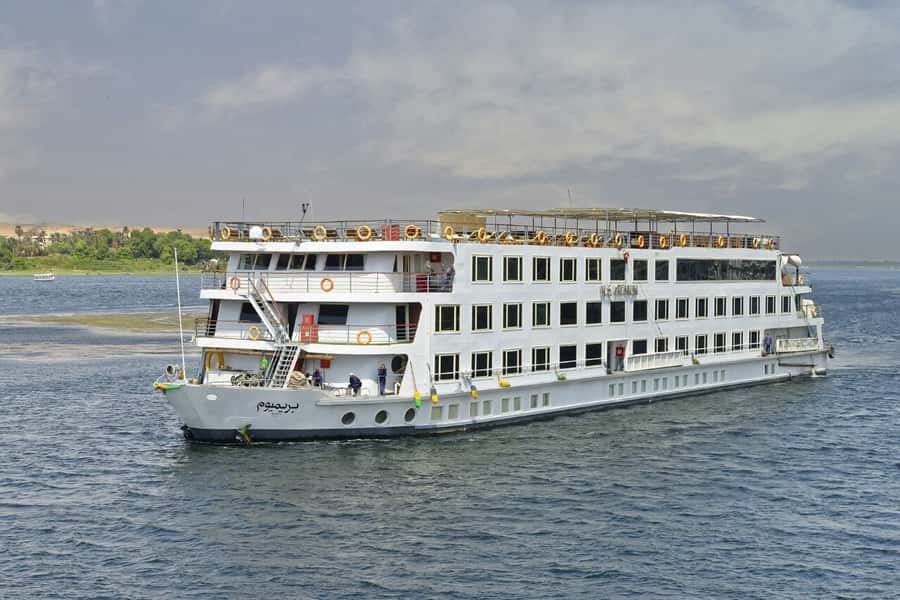
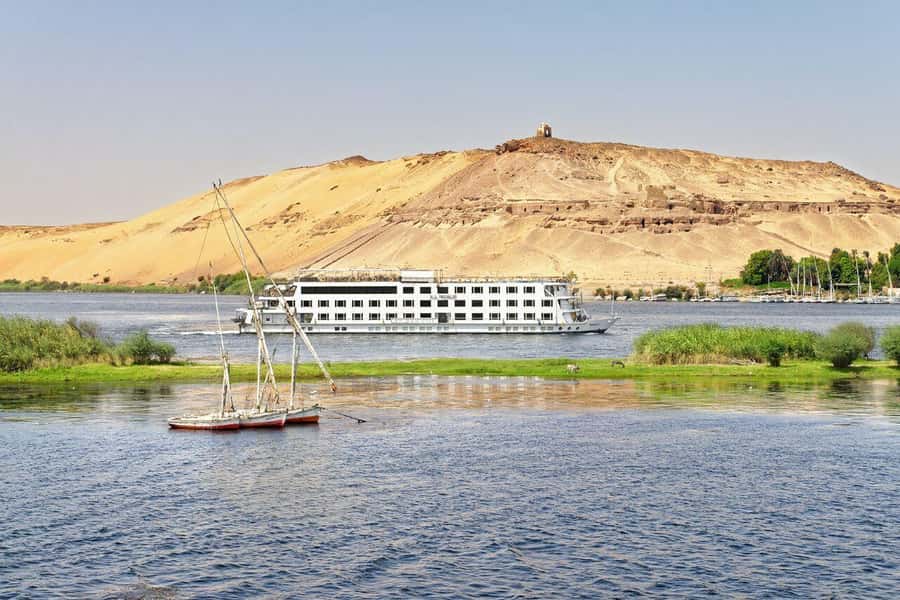
This route works because it’s built around how ancient Egypt planned power and worship along the river. Aswan sets the stage with Nubian culture in the broader modern region, then you sail north through the same corridor that carried goods, priests, and rulers thousands of years ago. By the time you reach Luxor, you’re not just ticking off temples, you’re understanding why these places matter.
On this trip, you get a good balance between big, famous monuments and the smaller but meaningful stops that add texture. The day in Luxor isn’t just Karnak. You also see Luxor Temple on the East Bank, which pairs nicely with what you’ll do on the West Bank earlier in the itinerary. That two-sided feel is a huge part of why a cruise beats a quick day-trip approach.
The guided format also helps you move past the “pretty rocks” phase. Temple walls can look like endless carvings until someone explains what to notice. I like that the tour is led by an Egyptologist, in English, and that the guidance is tied to where you are, not generic facts dumped at random times.
Day 1 in Aswan: High Dam, Motor Boat to Philae, Then Ship Time
Day 1 starts with the Aswan High Dam, which is a quick but important reality check. It shows you how modern engineering now shapes the Nile that ancient people depended on, including agriculture and travel. Even if you’re mainly in Egypt for archaeology, this stop helps you understand why the Nile is still the main character today.
From there, you head to Philae Island by motor boat. This is one of those “Egypt is theatrical” moments. You’re crossing water to an island temple complex, so the setting does half the storytelling before you even step inside. You’ll tour Philae and visit the temple there, then move on to your 5-star cruise ship.
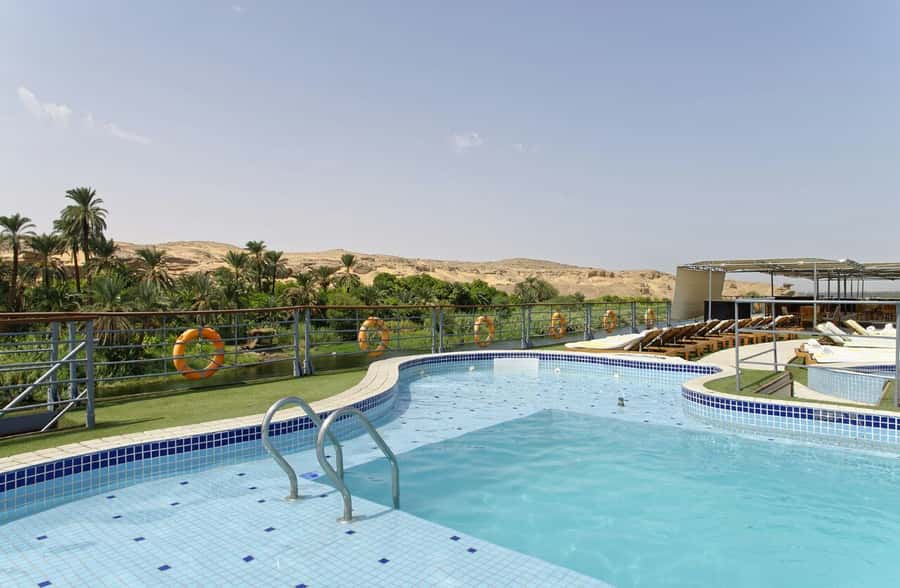
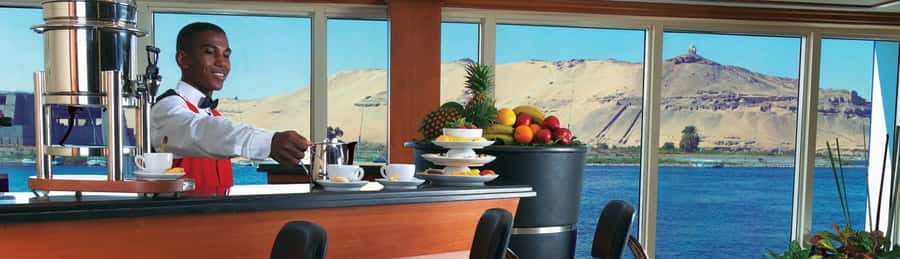
Once you’re aboard, you get the relaxing part of river travel. Take tea on the sun deck while the scenery slides by. It’s a simple pleasure, but it makes the next days of temples more bearable. You also get photo opportunities looking both directions along the Nile, and your guide ties in what the region’s Nubian culture and ancient Egyptians have in common, historically and geographically.
If you like a smooth first day, this one is well paced: you’re not only rushing monuments, you’re also getting time to settle and get your bearings.
Day 2: Edfu Temple and Kom Ombo, With Carriage Ride Included
Day 2 begins with breakfast aboard, then you sail toward Kom Ombo. Kom Ombo Temple is different from many other sites because it has a distinctive layout and feels purposeful rather than purely monumental. The guide’s job matters here. Once someone frames the symbolism and how the Egyptians thought about worship, the carvings stop feeling random.
After Kom Ombo, you continue to Edfu. Here you get a horse and carriage ride to Edfu Temple, which is one of the few “included transitions” on the itinerary. It reduces the stress of getting there on your own and gives you a recognizable sense of place right as you arrive. The ride also breaks up the day so you’re not going from boat to stairs to museum-like pacing.
At Edfu Temple, you’ll explore the complex connected to Horus, with the guide explaining what to look for. Edfu is large enough that it deserves a slower approach. The trick is not to try to read everything. Instead, focus on the major motifs your guide highlights, then let your brain fill in the rest.
A practical note: timing around temples can get busy if your arrival lines up with peak moments. If your schedule leads you to a popular time of day, I’d expect more crowd energy than you might want. The best way to handle it is straightforward: go with the plan first, then do your photos quickly, and come back for a second look when things settle.
Day 3 West Bank Focus: Valley of the Kings, Hatshepsut, and Carter’s House
Day 3 is the heavy-hitter for many people because it tackles the West Bank. The Valley of the Kings is where you can feel the scale of imperial ambition. It’s easy to think of it as a single attraction, but what makes it work is how your guide frames the tomb-building logic and why this valley became a preferred royal resting place.
After the Valley of the Kings, you drive to visit the Mortuary Temple of Queen Hatshepsut. Hatshepsut is a site that often surprises people, because it adds a different flavor to what you imagine when you hear the word pharaoh. Her temple helps you see power and leadership as something expressed through architecture and ritual, not just names in a textbook.
Then you go to the Howard Carter House. This stop is small compared to the tombs, but it adds a modern layer to the story. It helps you understand the moment when the 20th-century search for Tutankhamun’s tomb shifted public attention and changed how the world thinks about archaeology in Egypt.
This day works best if you mentally switch gears. The West Bank can feel emotionally intense, not because the temples are sad, but because you’re walking into a worldview where death, legacy, and sacred geography are tightly linked. A guided pace helps you stay grounded and keep the story straight.
Day 4: Karnak Then Luxor Temple, the East Bank Finale
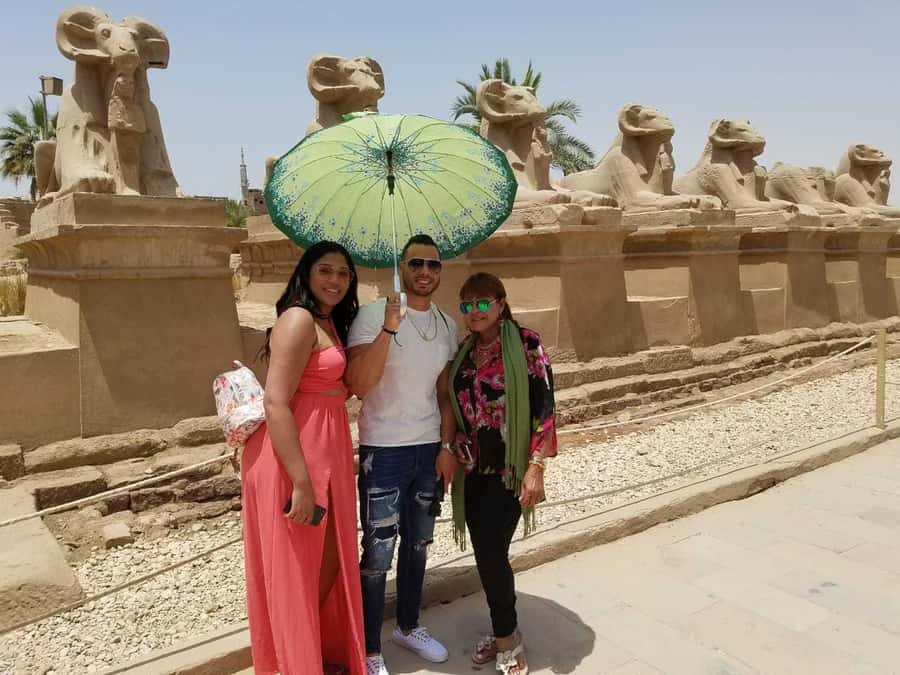
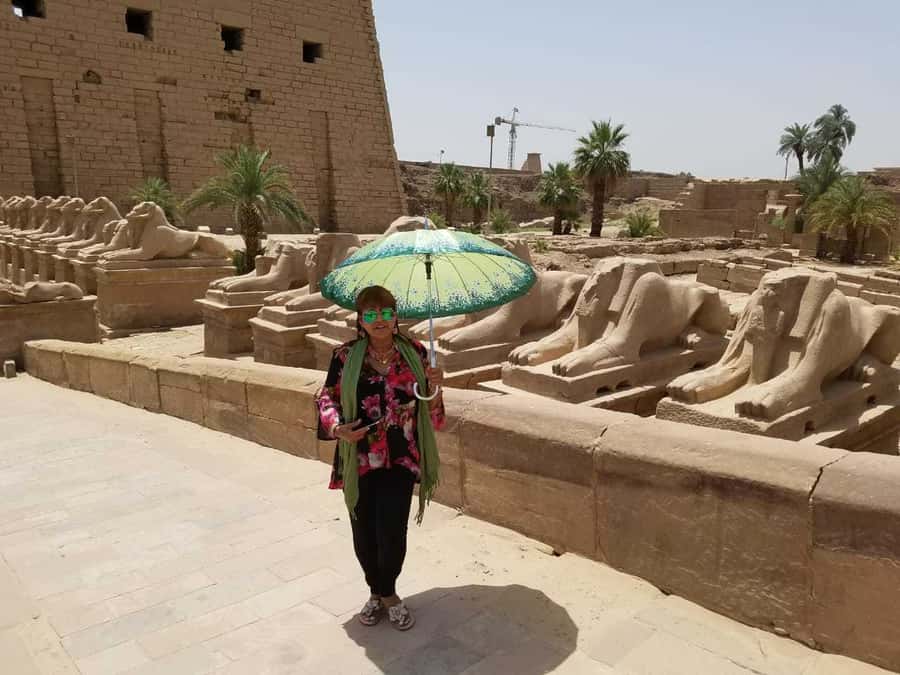
Day 4 is built around Karnak Temple, described as the biggest temple in the world. Even if you’ve seen photos, Karnak can still hit you with scale. It’s not one building, it’s an entire sacred system. This is exactly where a guide is worth the money, because you can’t logically “tour” Karnak the way you’d tour a single attraction. You need a route through it, with priorities.
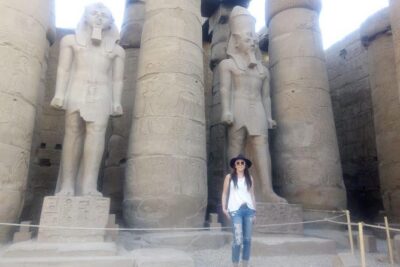
After Karnak, you drive over to Luxor Temple, which feels smaller and more intimate compared to Karnak, but still powerful. The pairing makes sense. Karnak shows you the long-running, multi-layered nature of Egyptian worship. Luxor Temple shows you the lived-in ceremonial face of the city.
Finishing in Luxor is convenient. You’re not scrambling to transfer right after exhausting West Bank days. You still end the trip with momentum, and the temples leave you with plenty to think about, even after the guided portion ends.
If you want an easy way to remember what you saw, try this: in the morning focus on Karnak’s main structural ideas, then use Luxor Temple as your “emotion check.” If Karnak is your brain, Luxor Temple is your feeling.
Ship Life: Cabins, Meals, and the Stuff You Feel Every Day
The ship is the backbone of the trip. You’re not just staying overnight, you’re using the ship as a base while you go to temples. That means the cabin, meal quality, and overall staff attention directly shape your experience.
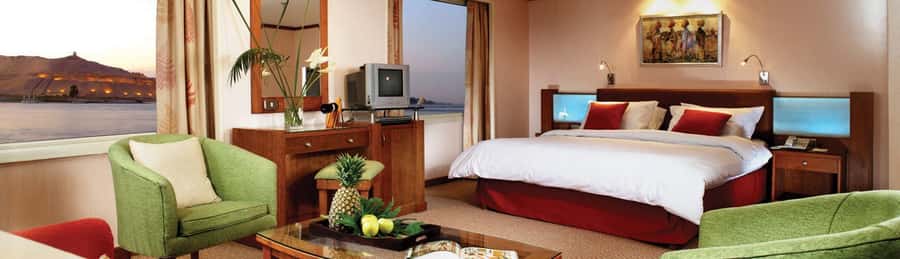
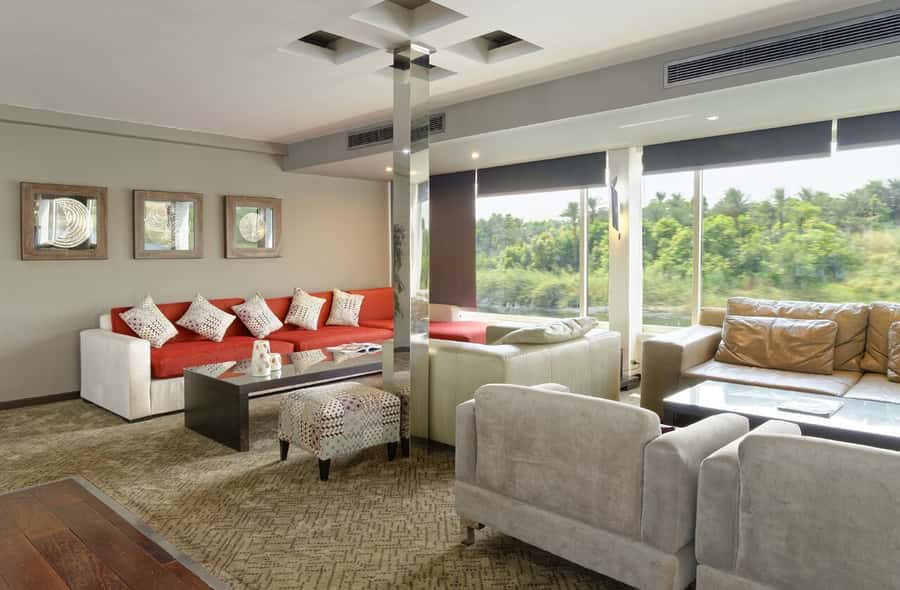
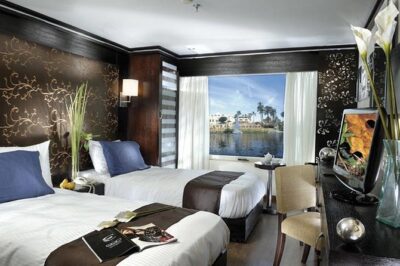
From the feedback tied to this experience, cabins are described as spacious and clean, and the food is a major positive. People also highlight how attentive the onboard staff can be, and that matters because you tend to spend early mornings and late afternoons moving between land and ship.
One practical cabin note: some rooms may have a window that cannot open. It’s not a dealbreaker, but if you like fresh air at night, it’s smart to ask about window options before you book.
Group size also affects comfort. One version of the sailing experience is described as having capacity around 120 people, which can keep crowds manageable if occupancy is light. If your departure is at a busier time, it will feel more lively, but you’re still on a cruise ship, so the vibe is generally easier than land-based hopping.
Tipping is another “small detail” that can surprise people. One point mentioned is that gratuities may be collected at the end in a sealed envelope for all passengers. That’s not something you control, but knowing it ahead of time keeps the end of the trip from feeling awkward.
Guides, Timing, and Skip-the-Line: Where the Experience Can Shine or Tighten
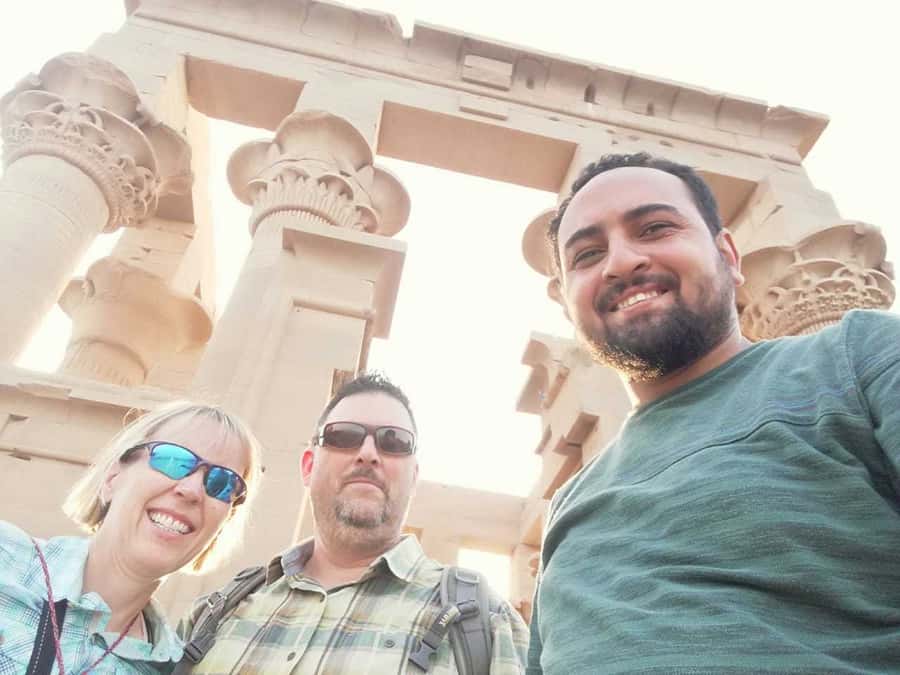
The itinerary’s real strength is the guide. Egyptology Travel CO provides the guide, and English is the tour language. In this kind of cruise, the guide decides whether you feel like you’re watching history or understanding it.
Names you might hear from staff include George and Semi. What you can reasonably expect from an Egyptologist is a guided approach that turns carvings into meaning, especially at sites like Karnak, the Valley of the Kings, and Kom Ombo. When the guide is strong, you stop guessing and start noticing patterns.
The tour also includes skip-the-ticket-line. That helps you spend more time inside monuments and less time standing around with everyone else. Still, skip-the-line does not change the fact that temples have time limits and crowds. You can do everything right and still walk into a busy moment.
Timing sensitivity is the main caution. The sailing schedule may shift due to local regulations. Even if accommodations and check-in are protected, the practical effect can be that your last day’s sightseeing feels compressed. If you’re the type who likes long pauses for photos and slow walking, I’d plan to be flexible.
If the ship’s schedule creates crowded arrivals, your best strategy is simple: listen carefully to the guide’s first priorities, then take your photos quickly. After that, let the site settle and look again once the first rush has moved.
Price and Value: What $570 Covers, and What Costs Extra
At $570 per person for 4 days, this cruise sits in the mid-range for Egypt packages. The value is strongest when you treat it as a bundled transport-plus-guiding deal, not just a way to sleep on a boat.
What you get included:
- Pickup and drop-off in an air-conditioned minibus
- A 3-night cruise from Aswan to Luxor
- Cabin with all facilities
- All meals from the first lunch to the last breakfast
- A tour guide (live, English)
- Horse and carriage ride to Edfu Temple
What is not included:
- Entrance fees
- Drinks
- WiFi
That matters because entrance fees can add up in Egypt, especially when multiple major sites are included. Drinks also tend to be an extra cost on ships, and WiFi is not part of the package.
So how do you judge value? For many travelers, the big win is avoiding the stress of daily transport, ticket logistics, and coordination across multiple cities. You’re paying for a guided flow that would be hard to replicate smoothly on your own, especially if you don’t want to constantly re-plan between sites.
Who Should Book This Cruise, and Who Should Rethink It
This experience is a great fit if you want:
- Guided monument time from Aswan to Luxor without daily figuring-out
- A mix of big icons and story-rich stops like Hatshepsut’s temple and the Carter House
- Included meals and onboard downtime that keeps your energy steadier
It may be less ideal if you:
- Hate schedule changes and need precise timing
- Prefer long, unstructured museum-style wandering
- Are extremely sensitive to crowds at popular temple arrival times
Accessibility is also worth noting. The activity is listed as wheelchair accessible, and pickup in Aswan is included through hotels. So if mobility access is a priority, this format can still work, assuming your needs align with the tour’s on-site walking requirements.
Should You Book This Nile Cruise?
I’d book this cruise if you want a guided, high-comfort way to see the river’s main monuments without turning your trip into a checklist exercise. The combination of Philae Island, Kom Ombo, Edfu, the West Bank highlights, and then finishing with Karnak and Luxor Temple is a strong arc. Add in included meals and that carriage ride to Edfu, and you have a trip that feels organized without being rigid.
I’d pause and consider your style if you need lots of breathing room at each site. Because the sailing schedule can shift, you may see some timing compression at the end of the trip. If you can stay flexible, you’ll likely love the rhythm of sailing, learning, and temple-hopping with fewer logistical headaches.
FAQ
What are the main stops on this cruise?
You’ll see Aswan High Dam and Philae Island on the first day, then move through Kom Ombo and Edfu. The West Bank highlights include the Valley of the Kings, the Mortuary Temple of Hatshepsut, and the Howard Carter House. You finish with Karnak Temple and Luxor Temple in Luxor.
What is included in the price?
Pickup and drop-off by air-conditioned minibus, a 3-night cruise from Aswan to Luxor, your cabin with all facilities, all meals from the first lunch to last breakfast, a tour guide in English, and a horse and carriage ride are included.
Are entrance fees included?
No. Entrance fees are not included.
Are drinks and WiFi included?
No. Drinks and WiFi are not included.
Is the tour guide live, and what language do they speak?
Yes. The guide is live, and the tour language is English.
How does pickup work in Aswan?
Pickup is included for hotels in Aswan, and the listed pickup location is El-Shaheed Abd El-Fattah Hassanein.
Do I need to wait in ticket lines?
The tour includes skip-the-ticket line.
Is this cruise wheelchair accessible?
Yes. It is listed as wheelchair accessible.
Can I get a full refund if I cancel?
Yes. Free cancellation is available up to 24 hours in advance for a full refund.
Sailing Luxor to Aswan
- 4-Days Nile Cruise From Aswan To Luxor including Abu Simbel and Hot Air Balloon
★ 5.0 · 3,142 reviews


More of Aswan from our review pile
- Day Tour to Abu Simbel from Aswan by Bus
★ 4.5 · 25 reviews - 4 Day 3 Night Nile Cruise from Aswan with Abu simbel and Balloon
★ 5.0 · 25 reviews - 4-Days Nile Cruise sails Aswan to Luxor &Abu Simbel. Air Balloon
★ 5.0 · 26 reviews - 4 days 3 Nights Nile Cruise from Aswan to Luxor
★ 5.0 · 26 reviews - 4 Days 3 Nights from Aswan to Luxor Nile cruise+Abu simbel temple
★ 5.0 · 27 reviews - 4-Day 3-Night Nile Cruise from Aswan to Luxor – Luxury Tour
★ 4.5 · 27 reviews
Nile Cruises Between Luxor and Aswan, compared.
 ★ 5.04-Days Nile Cruise From Aswan To Luxor including Abu Simbel and Hot Air BalloonFrom $3493,142 reviews
 ★ 4.54-Day 3-Night Nile Cruise from Aswan to Luxor including Abu Simbel, Air BalloonFrom $329612 reviews
 ★ 4.14-Day Nile Cruise from Aswan to Luxor with GuideFrom $830593 reviews
★ 4.54-Days Nile Cruise From Aswan To Luxor including Abu Simbel and Hot Air BalloonFrom $320509 reviews
★ 4.14-Day Nile Cruise from Aswan to Luxor with GuideFrom $830593 reviews
★ 4.54-Days Nile Cruise From Aswan To Luxor including Abu Simbel and Hot Air BalloonFrom $320509 reviews
 ★ 5.04-Day 3-Night Nile Cruise from Aswan to Luxor – Private TourFrom $504369 reviews
★ 4.54 Days Nile Cruise from Aswan to Luxor including Abu Simbel and Hot Air BalloonFrom $329356 reviews
★ 5.04-Day 3-Night Nile Cruise from Aswan to Luxor – Private TourFrom $504369 reviews
★ 4.54 Days Nile Cruise from Aswan to Luxor including Abu Simbel and Hot Air BalloonFrom $329356 reviews
 ★ 5.04-Day 3-Night Nile Cruise from Aswan to Luxor With Balloon and Abu SimbelFrom $311327 reviews
 ★ 5.04-Days Nile Cruise Aswan&Luxor,Hot Air Balloon&Abu Simbel.Hot dealFrom $524322 reviews
The lists this one sits on