
REVIEW · NILE CRUISES BETWEEN LUXOR AND ASWAN
Egypt in 9 Days from Saturday to Sunday including tours and Dahabeya Nile trip.
Luxor without the crowd shuffle. This private 9-day route from Cairo to Luxor is built for focus, with Samar Mohamed doing the heavy lifting on timing and explanation, plus water and snacks so you stay comfortable. You get the main hits without the usual herd behavior.
My favorite part is the sunrise plan, starting with a West Bank balloon ride and rolling straight into Luxor’s biggest temples and tombs. One consideration: admission tickets are extra (about USD 150 per person), and plane tickets plus your Cairo hotel are not included.
In This Review
- Key highlights to notice before you go
- What makes this feel private instead of chaotic
- Price and value for 9 days: what $2,800 covers
- Day 1 Cairo arrival: a free reset day
- Pyramids of Giza plus Saqqara: the classic combo on Day 2
- Museum of Egyptian Antiquities and Coptic Cairo on Day 3
- Luxor on sunrise mode: balloon, Valley of the Kings, Hatshepsut, Memnon
- Karnak to Aswan by train: two temple scales, one smooth transition
- Abu Simbel early, Philae at night: Aswan’s big emotional beats
- Dahabeya sailing day: Kom Ombo and Gabal El Silsila
- Edfu by horse carriage: the best-preserved temple moment
- Final day: Luxor city transfer and flight back to Cairo
- The guide factor: why Samar Mohamed is central to the experience
- Who this tour is for, and who should rethink it
- Should you book this Cairo to Luxor and Dahabeya package?
- FAQ
- Is this tour private?
- What is included in the price?
- Are admission tickets included?
- Are plane tickets included?
- What about the balloon ride and weather?
- Can I cancel for a full refund?
Key highlights to notice before you go
- Private, just your group: no mixing into large tour crowds once you’re on the clock
- Sunrise balloon timing: planned early for views over the West Bank monuments
- Nile Dahabeya included meals: 2 nights on the boat with meals and soft drinks included
- Aswan by day and night: Abu Simbel early, then Philae for the sound and light show
- Samar’s calm guidance: she’s known for clear English, patience, and smart pacing to reduce crowd stress
- Tickets budget matters: most sites require you to pay entrance separately
More boats sailing the same stretch
- 6 Days Hypnotic Cairo & Nile Cruise Tour Package★ 5.0 · 248 reviews
- Egypt: Private 5-Day Tour, Nile Cruise, Flights & Balloon★ 4.1 · 248 reviews
- Cairo: 6-Day Egypt Tour with Flights and Nile Cruise★ 3.8 · 177 reviews
- Private Tour: 7 Nights Pyramids & Nile Cruise +Flights from Cairo★ 4.5 · 157 reviews
What makes this feel private instead of chaotic
The big promise here is simple: you and your group, not a bus full of strangers. That alone changes everything. You spend less time herding through lines, fewer minutes lost to everyone waiting on everyone else, and your guide can adjust the pace to your questions.
Samar Mohamed is a key reason this works. People consistently point to her early starts, clear communication in English, and an ability to explain how the sites connect, not just recite facts on repeat. Add practical touches like water and snacks, and you end up with a day that feels planned rather than reactive.
Price and value for 9 days: what $2,800 covers
At USD 2,800 per person, you’re paying for more than sightseeing. You’re buying transportation, guides, and the “Egypt routing” that can otherwise eat your time: Cairo to Luxor, Luxor to Aswan, then the Nile sail with temple stops.
Here’s what’s included that makes the price easier to swallow:
- Air-conditioned vehicle for the road legs in Cairo and Luxor
- 2 nights on a Nile Dahabeya with meals and soft drinks included
- 4-star hotels (B&B) in Aswan and Luxor
- Airport and hotel transfers where they’re stated in the plan
Here’s what is not included, so you can budget without surprises:
- Admission tickets for the listed sites, around USD 150 per person
- Plane tickets (you handle the airfare)
- Cairo hotel (your arrival day hotel is not included)
So is it “worth it”? If you want Luxor’s major temples plus tombs with real guide attention, and you also want the Dahabeya sailing instead of a hurried drive-through, this price can make sense. If you’re trying to do Egypt on a strict budget and you don’t care about timing, you might find cheaper options. But you’ll usually trade away comfort, clarity, and time.
Day 1 Cairo arrival: a free reset day
You land in Cairo, then a representative meets you outside the airport hall with a sign showing your names. After that, you transfer to your hotel and the rest of the day is yours.
This “nothing planned” start matters more than it sounds. Cairo is loud, busy, and hot in ways your body might not be ready for after travel. Use this day to rest, eat something easy, and prep for early starts the next morning.
Pyramids of Giza plus Saqqara: the classic combo on Day 2
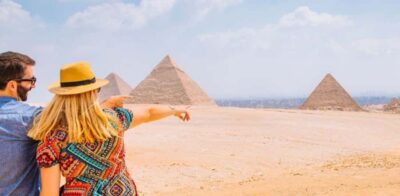
On Day 2, after breakfast, you head out for Giza and then Saqqara. Giza gives you the headline act: pyramids dating to about 2571 BC, built over a long stretch of time. Even if you know the basics, seeing them up close is the part that clicks, because you understand scale with your eyes, not with a textbook.
Then you go to Saqqara for an older pyramid site, often considered one of Egypt’s masterpiece works. This is a good pairing because it shifts you from “one famous icon” to “how Egyptian monumental building evolved.”
Practical note: the time here is set to around 4 hours, and entrance tickets are not included, so keep some cash or a card ready.

Museum of Egyptian Antiquities and Coptic Cairo on Day 3
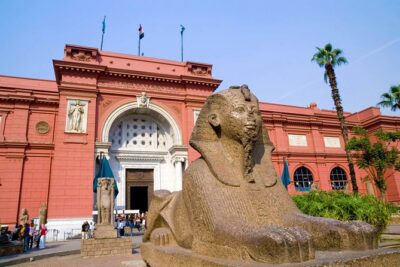
Day 3 is a useful palate cleanser from pyramid thinking. You start at the Egyptian Museum of Antiquities, with thousands of artifacts displayed from different places across Egypt. This is the kind of stop that helps you understand what you’re seeing later, because the tombs and temples make more sense when you know what kinds of objects, symbols, and funerary items mattered.
Then you head into Coptic Cairo, including the Hanging Church, plus other Coptic sites connected to the story of the Holy Family’s time in Egypt.
The schedule wraps with lunch and then a transfer to Cairo airport for an evening flight to Luxor. That evening move is efficient, but it can be tiring. Plan to pack light, and keep water and a snack handy for the airport window.
Luxor on sunrise mode: balloon, Valley of the Kings, Hatshepsut, Memnon
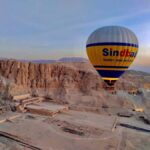
Day 4 is built around the West Bank. You start with an early balloon ride timed for sunrise views over the monuments. This is one of the most memorable ways to see Luxor, because it changes the geometry of the temples and tombs. It also sets the day’s mood: quiet first, then history.
After that, the plan hits the Valley of the Kings, where more than 62 New Kingdom tombs have been discovered. Even if you do not go inside every tomb, the valley layout and the tomb entrances show how serious these rulers were about planning for the afterlife.
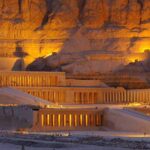
Next comes the Mortuary Temple of Hatshepsut. Her temple design is striking, with strong color and architecture that makes it feel different from the tomb valley setting. After that, you have a quick stop at the Colossi of Memnon, the huge statues that still anchor the landscape.
Entrance tickets are not included here, so budget for those. Also, this day runs on early energy, so if you’re not a morning person, plan to go to sleep early in Luxor.
Karnak to Aswan by train: two temple scales, one smooth transition
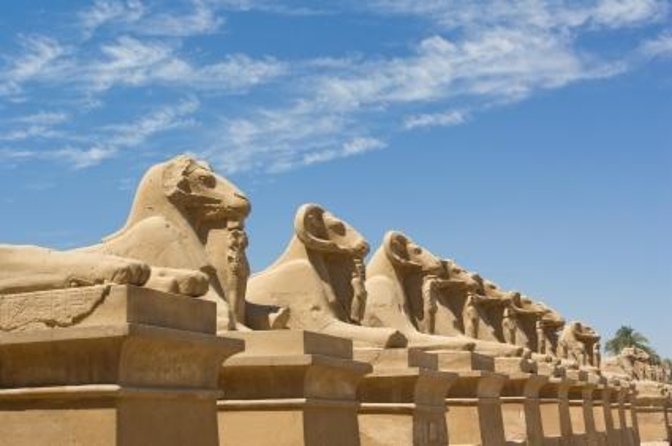
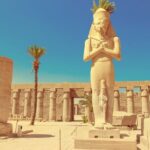
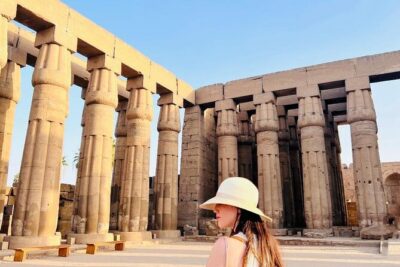
Day 5 focuses on Karnak Temple, described as the second-largest temple in the world. It’s easy to see why people get hooked here, because you’re not just seeing one building. You’re moving through huge halls, columns, and painted spaces that make the site feel like a city of stone.
After lunch, the plan includes an evening train to Aswan and an overnight stay. This is a smart change of pace. You go from temple walking to a travel window without spending the whole day on the road.
Tickets are not included for Karnak, so again, the USD 150 per person estimate is your friend.
Abu Simbel early, Philae at night: Aswan’s big emotional beats
Day 6 starts with an early trip to Abu Simbel, built by King Ramses II. This temple is famous for its monument scale and its strong visual impact. Going early helps you see it before crowds and heat fully crank up.
After returning to Aswan, the day includes lunch and then an evening visit to Philae Temple for a sound and light show. Philae is on an island, and it was dismantled and moved to Agilika after it was flooded during the Aswan low dam project.
That context matters. The show is not just entertainment. It reminds you that these monuments had to be saved, moved, and protected. When you understand the rescue story, the lighting, stone, and setting feel more meaningful.
Dahabeya sailing day: Kom Ombo and Gabal El Silsila
Day 7 is your transition from hotels into the boat. You drive to the Dahabeya, check in, and then start sailing north. Lunch happens during sailing, which is a nice way to avoid turning “travel day” into “sit and suffer” time.
In the afternoon, you stop at Kom Ombo Temple, built during the Ptolemaic period with worship connected to the god Sobek. Kom Ombo is a great stop because it feels different from Luxor temples. The setting and layout give you another angle on Egyptian religious design.
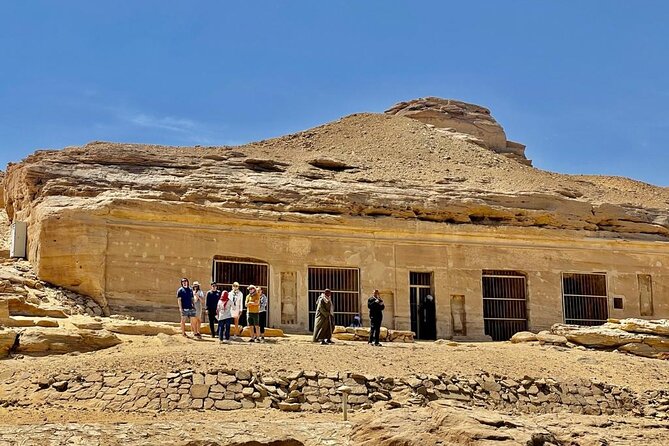
Later, you continue toward Gabal El Silsila, described as a sandstone quarry. This is where blocks of temples came from, and you can even see some chambers connected to the cutting process under different kings. It’s a more industrial, behind-the-scenes type of history, which many people end up loving once they slow down.
Dinner and overnight are on the boat.
Edfu by horse carriage: the best-preserved temple moment
Day 8 starts with breakfast while sailing toward Edfu. Then you head to the Temple of Horus using a horse carriage, which is a memorable way to move through the approach.
The Temple of Horus is called the best-preserved structure in Egypt, built in the Ptolemaic period dedicated to Horus. Preservation is the key word here. When a temple keeps its details, you notice the craftsmanship in a way that ruins and partial reconstructions do not.
You return to the boat around lunch time and keep sailing to a nearby island. Dinner and overnight follow on the Dahabeya.
Final day: Luxor city transfer and flight back to Cairo
Day 9 after breakfast, you check out of the boat and then drive to Luxor city for about an hour. After that, it’s transfer to Luxor airport for the flight back to Cairo, with a representative waiting to move you onward to your next destination.
This is a clean finish. You’re not stuck chasing extra stops at the very end, and you can pack and fly with fewer last-minute stress points.
The guide factor: why Samar Mohamed is central to the experience
This trip is “big Egypt” scale, but it does not feel generic because the guide work is strong. Samar Mohamed is consistently described as enthusiastic, patient, and clear in English. People also emphasize her ability to keep things comfortable, including making sure you have water and staying mindful of timing.
One of the most practical guide skills you want is crowd control without making it sound like a sales pitch. In Luxor, timing can mean the difference between fighting for angles and actually seeing the spaces. When a guide manages the flow, you get the chance to take photos, read inscriptions slowly, and understand what you’re looking at.
If you’re the type who likes questions, this style fits you well. If you prefer quiet sightseeing, it can still work, since the guide can provide explanation only when you ask.
Who this tour is for, and who should rethink it
This tour is a good match if:
- You want Luxor’s core highlights without losing time to group chaos
- You like the idea of a Dahabeya cruise with meals included
- You care about explanations that connect the dots, especially between tombs and temples
- You can handle early mornings (balloon and morning starts)
It may be less ideal if:
- You want fully included admissions with no extra budget
- You cannot manage early starts or long travel days between Cairo, Luxor, and Aswan
- You are relying on the tour price to cover flights, because plane tickets are not included and your Cairo hotel is also separate
Should you book this Cairo to Luxor and Dahabeya package?
I’d book it if your priority is a well-paced route with serious stops, and you’d rather pay for fewer frustrations than squeeze Egypt into a cheaper but messier plan. The value is strongest when you want private time in Luxor, a sunrise West Bank moment, and a real sail on the Nile instead of just transit.
I would hesitate if your budget cannot handle the likely add-on admissions and if airfare planning is already tight. Get clear on your total spending early, including tickets around USD 150 per person, and confirm how the balloon day will work with weather.
If those numbers and early starts fit you, this is a smart way to see Egypt in 9 days without turning your trip into a sprint.
FAQ
Is this tour private?
Yes. The experience is private, and only your group participates.
What is included in the price?
Included are an air-conditioned vehicle, 2 nights on a Nile Dahabeya with all meals and soft drinks included, and 4-star hotels with breakfast (B&B) in Aswan and Luxor. Pickup is offered, and there is a mobile ticket.
Are admission tickets included?
No. Tickets for the mentioned sites are not included, and the cost is estimated to be around USD 150 per person.
Are plane tickets included?
No. Plane tickets are not included.
What about the balloon ride and weather?
The experience requires good weather. The Day 4 schedule includes an early balloon ride to watch the sunrise over the West Bank monuments.
Can I cancel for a full refund?
Yes. Free cancellation is available if you cancel up to 24 hours in advance for a full refund.
Sailing Luxor to Aswan

More of Cairo from our review pile
- Cairo: Djoser Pyramid & Memphis Private tour with transfers.
★ 4.0 · 14 reviews - White Desert Overnight Camping Sharing Tour in Egypt
★ 5.0 · 15 reviews - Cairo Best 2Days tour Pyramids, Saqqara & Old Cairo
★ 5.0 · 15 reviews - Monastery St Simon with Cave Church and Garbage City Private Tour
★ 5.0 · 15 reviews - Full-Day Tour to Giza Pyramids, Egyptian Museum & Khan Al-Khalili
★ 5.0 · 15 reviews - Private Walking Tour in ElMoez Street & Khan Elkhalili Market
★ 5.0 · 15 reviews
Nile Cruises Between Luxor and Aswan, compared.
 ★ 5.04-Days Nile Cruise From Aswan To Luxor including Abu Simbel and Hot Air BalloonFrom $3493,142 reviews
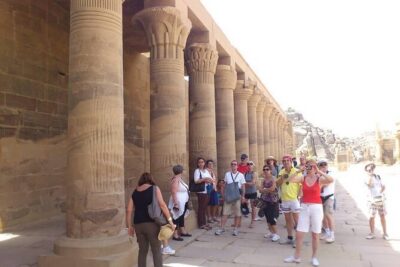 ★ 4.54-Day 3-Night Nile Cruise from Aswan to Luxor including Abu Simbel, Air BalloonFrom $329612 reviews
 ★ 4.14-Day Nile Cruise from Aswan to Luxor with GuideFrom $830593 reviews
★ 4.54-Days Nile Cruise From Aswan To Luxor including Abu Simbel and Hot Air BalloonFrom $320509 reviews
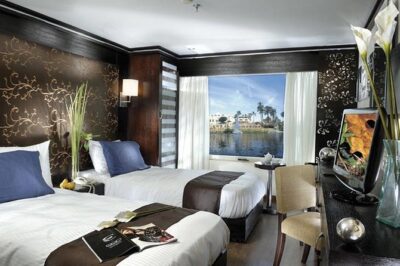 ★ 5.04-Day 3-Night Nile Cruise from Aswan to Luxor – Private TourFrom $504369 reviews
★ 4.54 Days Nile Cruise from Aswan to Luxor including Abu Simbel and Hot Air BalloonFrom $329356 reviews
 ★ 5.04-Day 3-Night Nile Cruise from Aswan to Luxor With Balloon and Abu SimbelFrom $311327 reviews
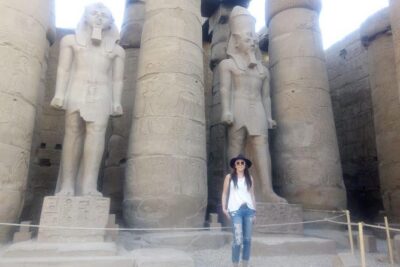 ★ 5.04-Days Nile Cruise Aswan&Luxor,Hot Air Balloon&Abu Simbel.Hot dealFrom $524322 reviews
The lists this one sits on