
REVIEW · ABU SIMBEL TEMPLE TRIPS
Day Tour to Abu Simbel from Aswan by Bus
4 a.m. feels early, then it pays off. This day trip is built for convenience, with A/C minivan door-to-door pickup from Aswan and a guide who brings Abu Simbel to life. I like that it is structured and comfortable, but keep one thing in mind: if your pickup is delayed, you may end up with less time inside the temples.
What I really like is the way the guide helps you see Abu Simbel instead of just passing through it. You will hear the story behind the royal monuments and get pointers on where to focus, including the notable wall scenes and hieroglyphics. On top of that, the early start usually means you arrive while the site feels far less chaotic than it does later in the day.
In This Review
- Key things I’d bet on
- Why a 4:00 am start makes Abu Simbel worth it
- From Aswan to Abu Simbel, A/C minivan comfort and real timing
- Picking up from East Bank hotels, and what West Bank costs you
- Ramses II Great Temple, where the guide helps you actually see
- The Temple of Hathor, optional but worth the extra effort
- UNESCO rescue story, and why it changes how you view the carvings
- Egyptologist guidance, and the human touches that make it smooth
- What $52 buys you, and what you should expect to pay extra
- Group pace, photos, and how to avoid feeling rushed
- Tickets on site, and how to prevent payment surprises
- Should you book this Abu Simbel bus tour?
Key things I’d bet on
- Early departure timing: Starting at 4:00 am is the whole point for a smoother day and easier temple viewing.
- Door-to-door comfort: Pickup from your East Bank hotel or Nile cruise, with A/C transfers all the way there and back.
- Egyptologist commentary: Expect guided context while you move through the complex, not just facts on paper.
- Ramses II temple focus: The Great Temple is the priority, and your guide helps you notice the important details.
- Hathor Temple is optional-fee: You will have time for it, but entrance is your expense.
- Time can tighten: Late departures happen sometimes, so plan your day with the temples as the main event.
Further south to Abu Simbel, other operators
- 4-Days Nile Cruise From Aswan To Luxor including Abu Simbel and Hot Air Balloon★ 5.0 · 3,142 reviews
- 4-Day 3-Night Nile Cruise from Aswan to Luxor&Abu Simbel+Balloon★ 5.0 · 2,023 reviews
- 4-Day 3-Night Nile Cruise from Aswan to Luxor including Abu Simbel, Air Balloon★ 4.5 · 612 reviews
- 4-Days Nile Cruise From Aswan To Luxor including Abu Simbel and Hot Air Balloon★ 4.5 · 509 reviews
Why a 4:00 am start makes Abu Simbel worth it
Abu Simbel is remote. From Aswan, it is a long road day, and the schedule matters. A 4:00 am start sounds brutal until you remember the heat, the crowds, and the fact you are trying to fit two major temple visits into one day.
This trip is designed around that reality. You leave early, ride in air-conditioned comfort, and arrive with enough energy left to actually enjoy the site. You also get something underrated: the feeling that you are arriving for a purpose, not just squeezing it between other stops.
One practical tip: treat Abu Simbel like a morning event. The best approach is to arrive ready to look closely, then take your photos while you still have time for both temples if you choose to go into the Temple of Hathor.
From Aswan to Abu Simbel, A/C minivan comfort and real timing
The route is long enough that the transport is not a minor detail. This tour uses an A/C mini bus and runs as a private tour/activity for your group. You also get round-trip door-to-door transfers, so you are not worrying about finding the right car or negotiating for a ride at dawn.
In real time terms, you should expect a long outbound drive and an equally long return. Some travelers describe it as roughly three hours each way, plus about a bit over an hour on site. That lines up with the idea that this is a day trip with a tight focus, not a slow sightseeing crawl.
Here is the main consideration: the day has moving parts. If the bus departs late, you lose temple time, and the site is not built for rushing. You can still see the highlights, but you might not get the same calm pace for photos and longer looks at the carvings.
Picking up from East Bank hotels, and what West Bank costs you
Pickup is listed for Aswan East Bank hotels and Nile cruises. If you are on the Aswan West Bank, there is an extra 10 USD per person. That is important because it changes the true cost, and it can affect how smoothly the driver can reach you at the start.
If you are staying somewhere with tricky access, you also need to think about pickup feasibility. One traveler noted that if you are in a Nubian village, your hotel may need to help arrange pickup since the bus cannot enter certain roads. Even if your situation is different, the lesson is the same: confirm pickup points early, especially if your lodging is not on a main road.
A small but helpful move: message your operator before the morning of the tour to confirm the exact pickup location and timing. Early departures are unforgiving, and you want a plan you can rely on.
Ramses II Great Temple, where the guide helps you actually see
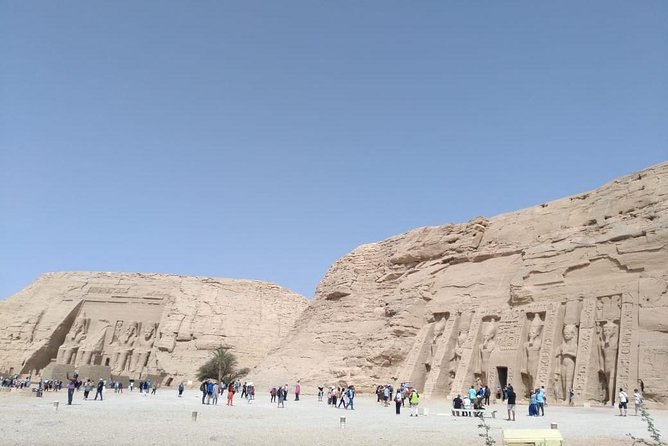
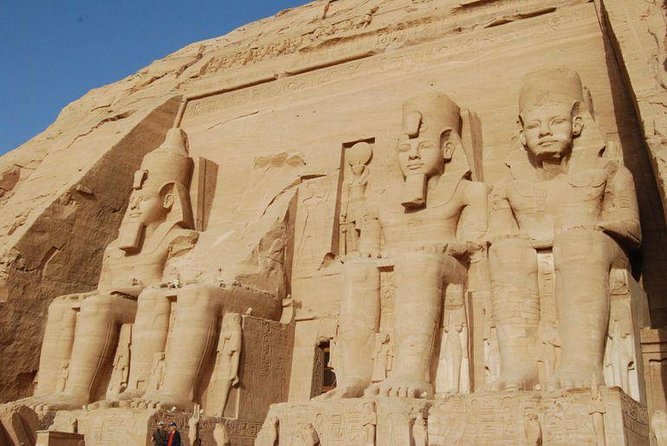
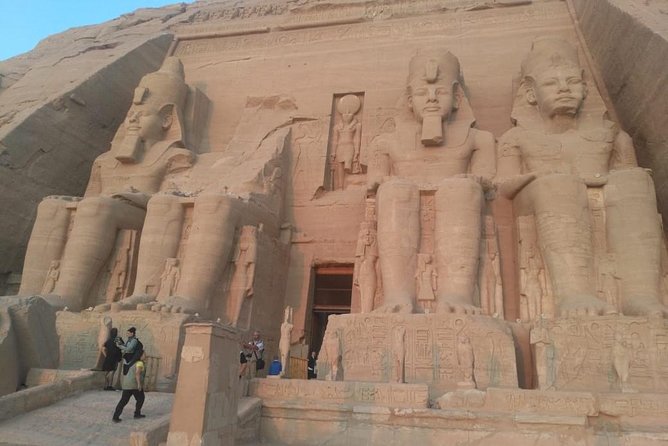
At Abu Simbel, the headline is the Great Temple of Ramses II. This is the masterpiece most people are coming for, and it earns that reputation. It is a grand New Kingdom monument with monumental statues and carved scenes covering the walls.
What makes this tour valuable is how the Egyptologist guides your focus. You are not just handed a general explanation. You get the story of what the temple represents, including the dedication connected to four universal gods: Ptah, Re-Her-Akhtey, Amun-Re, and Amun’s link through Ramses II himself.
You also learn where to look for the noteworthy hieroglyphics and wall art. That matters because Abu Simbel has so much carved detail that it is easy to feel like you are looking at stone without knowing what you are seeing. Having someone point out what is meaningful changes the experience, from seeing monuments to reading them.
Time-wise, the Great Temple is the priority. If your day feels tight, this is the temple you can count on spending time in. I would plan around that even if you also want to see more.

The Temple of Hathor, optional but worth the extra effort
The tour includes time to visit both temples, with a clear note: the Temple of Hathor entrance is your own expense. If you are the type who likes symmetry, smaller-scale details, or you want the full picture of the complex, this second stop can feel like the payoff after the big Ramses moment.
The risk is simple. Because the trip is time-managed and includes a long drive, your ability to see Hathor depends on how your morning goes. If your departure runs late, you might still see something, but you could lose the calm, unhurried look that makes Hathor enjoyable.
If you want one rule of thumb, it is this: treat Hathor as a bonus you should say yes to if timing permits. If timing is tight, do not force it at the expense of the Great Temple, because Ramses II is the center of the whole experience.
UNESCO rescue story, and why it changes how you view the carvings
One of the most interesting ideas woven into the experience is the temple rescue effort. The Egyptian government and UNESCO coordinated to save the temples from flooding that would have affected more than 28 monuments.
That means you are not only looking at a royal site from the ancient world. You are also looking at a modern conservation and relocation achievement. When you understand that history, the stone carvings feel more than decorative. They feel protected, deliberately re-homed, and intentionally preserved.
It also gives you a different kind of respect for the site layout. When you stand in front of the temples, keep that bigger story in your mind: this is a place where ancient intent and modern engineering meet.
Egyptologist guidance, and the human touches that make it smooth
The guide is not just a talking head. This trip is built around guided interpretation during your visit at Abu Simbel. In the experience set, you may encounter Spanish-speaking guides, and you may also hear names like Jaled, or others you might meet in the group. Some guides also help with practical flow, like where to stand for photos and how to move through the space efficiently.
From the feedback pattern, there are a few small human details that show up again and again:
- You get help with timing and priorities inside the complex.
- There are often reminders for water or restroom breaks during the long ride.
- Guides help with questions, not just speeches.
Those extras sound minor until you are awake at 4:00 am. Then they matter.
One caution to keep your expectations realistic: this is a group-style day trip by bus. You will not get the kind of slow private pacing you might want if you are the type who reads every inscription cover to cover. The value here is efficiency plus expert context, not a leisurely museum visit.
What $52 buys you, and what you should expect to pay extra
At $52 per person, the value is mostly about the ride and the guide. You get:
- pickup and return from your Aswan hotel or Nile cruise
- A/C mini bus transfers
- an Egyptology guide during the Abu Simbel portion
- the tour is supported as a door-to-door service
Entrance fees are not included. That means you should budget extra for the temple tickets you plan to use. The Temple of Hathor is explicitly noted as your expense, and the day trip structure still depends on you paying entrance on site.
So is it good value? For most people, yes, because Abu Simbel is the kind of trip where transport friction is real. If you were to DIY it, you would still be solving the same problems: early timing, reliable transit, and learning what you are looking at once you arrive. Paying $52 for that structure and guided interpretation is usually a smart trade.
One more small cost detail: tipping is recommended. That is standard for guided service, and it is worth keeping a few bills aside so you are not scrambling at the end of your day.
Group pace, photos, and how to avoid feeling rushed
This is an 8-hour day trip, which means you will feel it. Even with A/C and a guided plan, your energy depends on your morning start and your tolerance for long seated time.
The best way to avoid the rushed feeling is to go in with a priority list:
1) Great Temple of Ramses II, take time to look at the carvings your guide points out
2) If you have enough time, Temple of Hathor
3) Photos in batches, not all at once
If you are late to your morning pickup, you feel it immediately. One traveler reported that a late departure left about 75 minutes to see both temples. That kind of time compression turns every decision into a sprint.
You can reduce the odds of that happening to you by being punctual for pickup, keeping your morning flexible, and confirming the pickup point the night before if possible.
Tickets on site, and how to prevent payment surprises
Entrance is not included, so you will likely purchase tickets when you arrive. One traveler described a mismatch related to a student ticket, and the concern was essentially about the ticket type and the amount paid.
You cannot control ticket rules at the site, but you can protect yourself by doing two things:
- make sure you understand what ticket category you are buying when you pay for entrance
- keep receipts or any proof of purchase until you are done with both temple entrances
It is not the kind of problem you want early in a trip. A simple check beforehand saves hassle later.
Should you book this Abu Simbel bus tour?
I think this is a strong choice if you want Abu Simbel without the stress of planning transport at dawn. The biggest wins are the door-to-door pickup from Aswan, the A/C ride, and the Egyptologist guidance that helps you see what matters inside the temples.
You should consider an alternative if you know you will be sensitive to time pressure. The schedule is tight by nature, and late departures can reduce temple time. If you are very detail-focused and want long, quiet interpretation, a more flexible format might suit you better.
This tour is best for:
- first-time Abu Simbel visitors who want the core experience
- people who value comfort on long road days
- travelers who like expert context, especially for carvings and hieroglyphics
If your only goal is to tick Abu Simbel off a list, you might feel the effort is heavy for one day. But if you want the story behind the stone and a guided path through the highlights, this is one of the easier ways to make the early start pay off.
Further South: Abu Simbel
- 4-Days Nile Cruise From Aswan To Luxor including Abu Simbel and Hot Air Balloon
★ 5.0 · 3,142 reviews

More of Aswan from our review pile
- Day Tour to Abu Simbel from Aswan by Bus
★ 4.5 · 25 reviews - 4 Day 3 Night Nile Cruise from Aswan with Abu simbel and Balloon
★ 5.0 · 25 reviews - 4-Days Nile Cruise sails Aswan to Luxor &Abu Simbel. Air Balloon
★ 5.0 · 26 reviews - 4 days 3 Nights Nile Cruise from Aswan to Luxor
★ 5.0 · 26 reviews - 4 Days 3 Nights from Aswan to Luxor Nile cruise+Abu simbel temple
★ 5.0 · 27 reviews - 4-Day 3-Night Nile Cruise from Aswan to Luxor – Luxury Tour
★ 4.5 · 27 reviews
Abu Simbel Temple Trips, compared.
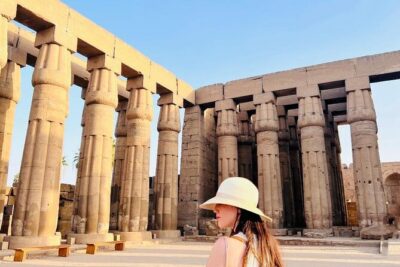 ★ 5.04-Days Nile Cruise From Aswan To Luxor including Abu Simbel and Hot Air BalloonFrom $3493,142 reviews
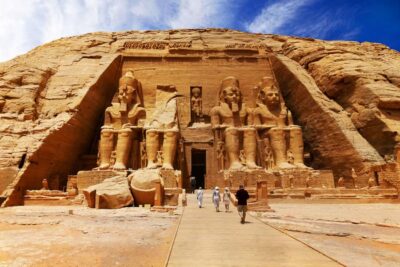 ★ 4.4Abu Simbel Temple Day Trip with Hotel PickupFrom $702,807 reviews
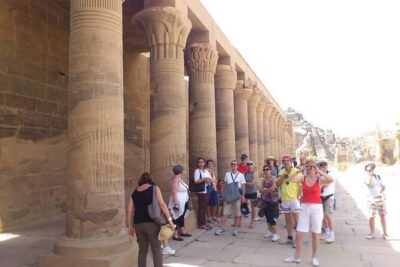 ★ 4.54-Day 3-Night Nile Cruise from Aswan to Luxor including Abu Simbel, Air BalloonFrom $329612 reviews
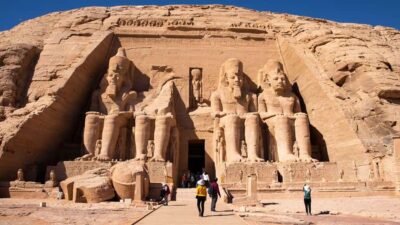 ★ 4.6Abu Simbel Temple Private Guided Day Trip with LunchFrom $148546 reviews
★ 4.54-Days Nile Cruise From Aswan To Luxor including Abu Simbel and Hot Air BalloonFrom $320509 reviews
★ 4.6Abu Simbel Temple Private Guided Day Trip with LunchFrom $148546 reviews
★ 4.54-Days Nile Cruise From Aswan To Luxor including Abu Simbel and Hot Air BalloonFrom $320509 reviews
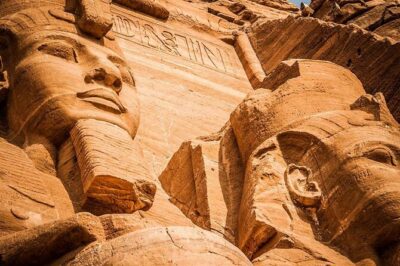 ★ 4.5Private Day Tour to Abu Simbel Temples from AswanFrom $53507 reviews
★ 4.54 Days Nile Cruise from Aswan to Luxor including Abu Simbel and Hot Air BalloonFrom $329356 reviews
★ 4.5Private Day Tour to Abu Simbel Temples from AswanFrom $53507 reviews
★ 4.54 Days Nile Cruise from Aswan to Luxor including Abu Simbel and Hot Air BalloonFrom $329356 reviews
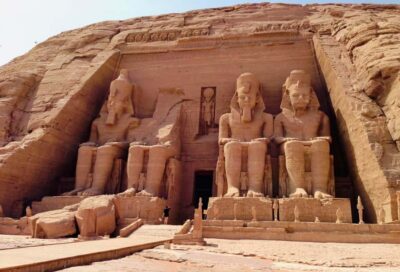 ★ 4.3Abu Simbel Day Tour with Private Guide and CarFrom $95342 reviews
The lists this one sits on