
REVIEW · CRUISES & BOAT TOURS
Cruise on Nile River between Aswan and Luxor
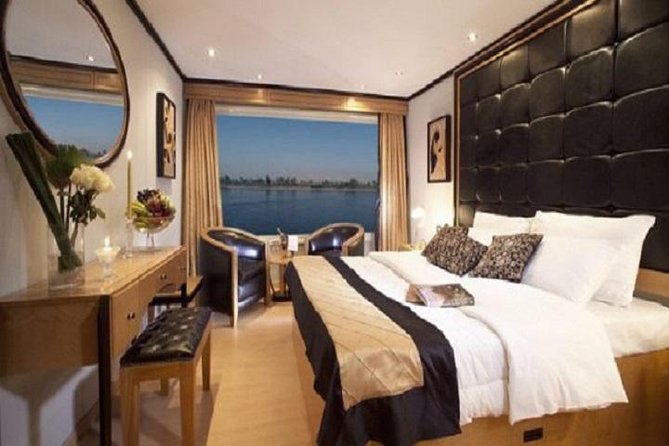
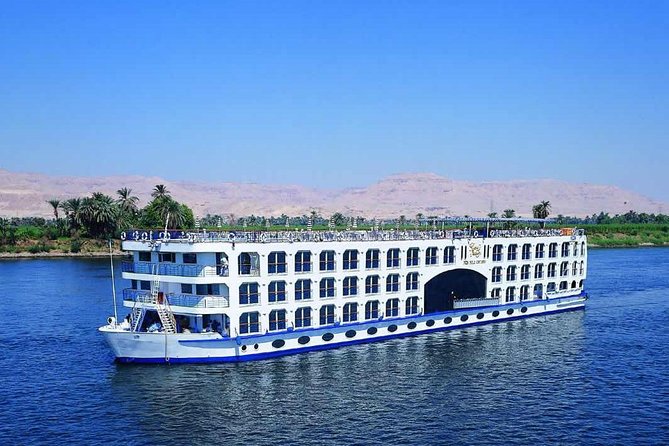
Nile cruising, minus the stress. I like how this trip pairs big hits like Philae Temple with an easy, full-board rhythm so you do not waste time on logistics. One drawback to keep in mind: the exact ship you get can be different from what some travelers expected, so it is worth confirming the vessel before you go.
You get a guided, history-heavy route from Aswan to Luxor, with a licensed Egyptologist leading the key temple visits and transfers handled for you. It runs about 4 days, and you spend three nights on a deluxe 5-star Nile cruise, with meals and entry fees included.
In This Review
- Key Things to Know Before You Go
- Nile River Cruise From Aswan to Luxor: The Easy Way to Do the Classics
- Price and Value: What $569 Per Person Really Covers
- The 6:00 AM Start in Aswan: Early, But It Keeps the Day Full
- Aswan Day One: Philae Temple, High Dam, and a Felucca Ride That Feels Like a Breather
- Temple of Philae and Isis Island
- High Dam Area and the Nile’s Modern Story
- Embarkation, Lunch on Board, Then Felucca Time
- Kom Ombo and Edfu: Sobek, Horus, and a Horse Carriage Into Edfu Town
- Breakfast, Then Kom Ombo Temple
- Edfu Arrival and the Temple of Horus
- Esna Lock Crossing: The Day’s Mechanical Marvel
- Luxor West Bank Day Three: Valley of the Kings, Hatshepsut, and the Colossi of Memnon
- Valley of the Kings
- Deir el-Bahari: Queen Hatshepsut’s Funerary Temple
- Colossi of Memnon
- Luxor East Bank Day Four: Karnak Temples, Ramses III, and Hatshepsut Obelisks
- Karnak Temple Complex and Ramses III
- Hatshepsut Obelisks
- Ship Comfort and Daily Rhythm: What Full-Board Really Means On a Nile Cruise
- A Reality Check on the Specific Ship: One Review Warning to Heed
- Who This Nile Cruise Suits Best (And Who Might Want Something Different)
- Should You Book This Aswan to Luxor Nile Cruise?
- FAQ
- How long is the cruise?
- Where does the cruise travel?
- What is included in the price?
- What are the main sightseeing stops?
- What languages are the Egyptologist guides available in?
- Can I cancel for a full refund?
Key Things to Know Before You Go
- Philae Temple and High Dam on day one, then a relaxing felucca sail on the Nile
- Kom Ombo and Edfu temples with a classic stop in Esna for the famous lock crossing
- Luxor West Bank highlights including Valley of the Kings and Queen Hatshepsut’s funerary temple area
- Karnak Temple complex on the east bank, plus Ramses III areas and Hatshepsut obelisks
- Full-board meals for 3 nights, including breakfast, lunch, dinner, snacks, and bottled water
- Private group experience, with a licensed guide and transfers built into the schedule
Trying to choose? These Aswan trips kept surfacing in our notes.
- 4-Days Nile Cruise From Aswan To Luxor including Abu Simbel and Hot Air Balloon★ 5.0 · 3,142 reviews
- From Aswan: Abu Simbel Temple Day Trip with Hotel Pickup★ 4.4 · 2,807 reviews
- 4-Day 3-Night Nile Cruise from Aswan to Luxor&Abu Simbel+Balloon★ 5.0 · 2,023 reviews
- 4-Day 3-Night Nile Cruise from Aswan to Luxor including Abu Simbel, Air Balloon★ 4.5 · 612 reviews
Nile River Cruise From Aswan to Luxor: The Easy Way to Do the Classics
If you want Egypt’s Nile stories without turning your trip into a daily puzzle, this is the style of cruise that makes sense. You do not have to solve transport between cities or hunt down tickets for the big-ticket sites, because the plan is built around guided visits and ship-to-shore transfers.
The value here is the mix of time-saving and access. You are not just sailing, you are consistently getting history stops that would be harder to string together on your own, especially if you are traveling with limited time. The cruise also gives you a built-in reset each day, with meals on board and the river view doing a lot of the work.
Just keep your expectations realistic. A tour like this moves at a good pace. You will see a lot, but it is not the “slow travel” version where you linger forever at each monument.
Price and Value: What $569 Per Person Really Covers
At $569 per person, the price feels reasonable if you look at what is included rather than just the cruise label. You get:
- 3 nights on a deluxe 5-star Nile cruise on full-board
- Licensed Egyptologist guide during the trip
- Entry fees and taxes/service charge included
- Private A/C transfers for the route parts that matter
- Meals built in: breakfast, lunch, dinner, snacks, plus coffee and tea
- Mineral water during day trips
That is a lot of “don’t make me think” value. If you were pricing the same guide coverage, the daily transport, and the temple entry fees separately, the numbers usually add up fast. This is especially true in Egypt, where you pay for both access and the time it takes to get from one site to another.
The one caveat is that the word 5-star depends on the cruise standard of the operator, and sometimes travelers find differences in the specific ship they end up on. So yes, it can be good value, and you should still confirm the vessel details.
The 6:00 AM Start in Aswan: Early, But It Keeps the Day Full
This tour starts in Aswan around 6:00 am. You meet in Aswan, either at your guest home or at Aswan airport, then head out with the guide for sightseeing before you board.
Early mornings in Egypt are not for everyone. The upside is that you get to beat some of the day’s heat and crowd pressure, and the schedule stays efficient. If you handle mornings fine, you will feel like the day is actually used well.
Also note the “private group” setup. That usually means you are not blended into a huge bus load with random strangers. Your pace and timing can be easier to manage, even when you are seeing multiple stops in one day.
Aswan Day One: Philae Temple, High Dam, and a Felucca Ride That Feels Like a Breather
Day one in Aswan sets the tone: big landmarks, then river calm.
Temple of Philae and Isis Island
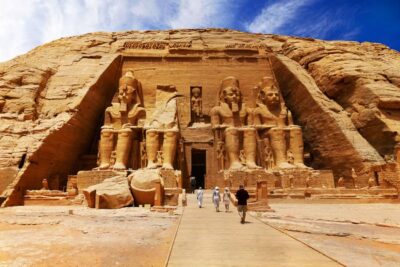
You start with Philae Temple and the nearby Isis island area. This is one of those temple visits where a guide makes a real difference, because the site connects to mythology and to how ancient Egyptians viewed the divine role of Isis. You also get context for why this area matters historically, which helps you look beyond just stone walls and columns.
High Dam Area and the Nile’s Modern Story
After the temple stop, you visit the High Dam, with passing views of the old dam and Nasser Lake. It is a different kind of history: less about pharaohs and more about how modern engineering reshaped the Nile and life along it. It also helps you understand why so many things in the region changed in the 20th century.
Embarkation, Lunch on Board, Then Felucca Time
Once you transfer to the cruise, you have lunch on board. Then the schedule turns gentle: you sail on a felucca in the Nile valley around Aswan islands, with botanical garden scenery and a chance to visit a Nubian village.
This part is the “you are in the real place” moment. Even if you are not a photo person, you will feel the river shift your pace. It is also a good break from temple walking.
In the evening, you have dinner, entertainment, and overnight on the ship in Aswan.
Kom Ombo and Edfu: Sobek, Horus, and a Horse Carriage Into Edfu Town
Day two is where the cruise starts doing what it does best: you move between temple stops while the Nile stays in view.
Breakfast, Then Kom Ombo Temple
You sail toward Kom Ombo, then arrive and visit the temple of Kom Ombo, connected with gods Sobek and Haroeris during Greek time. This is a temple with strong symmetry and a strong “compare and understand” feel. With a guide, it is easier to notice the religious themes and the way the Greeks interacted with older Egyptian traditions.
After the visit, you return to the cruise, enjoy the Nile valley scenery, and have lunch on board.
Edfu Arrival and the Temple of Horus
Then you head to Edfu. Upon arrival you ride a horse carriage to see the local city, followed by a visit to the Temple of Edfu, dedicated to Horus (the falcon-headed god).
That combination matters. The carriage ride gives you a sense of scale, and the temple visit gives you the main show. Edfu is one of the sites where details feel more legible once you have a guide explaining the symbolism and the layout.
Esna Lock Crossing: The Day’s Mechanical Marvel
Toward the end of day two, you sail to Esna and cross the Esna lock. This is not a temple, but it is a fascinating look at how ships make the river work across levels. It is one of those “wait, this is part of the Nile experience too” moments.
Dinner, entertainment, and overnight follow as you sail toward Luxor.
Luxor West Bank Day Three: Valley of the Kings, Hatshepsut, and the Colossi of Memnon
Day three shifts from cruising rhythm into Luxor’s most dramatic ground-level sights: the west bank.
Valley of the Kings
You start with the Valley of the Kings, with access to information about royal tombs for ancient pharaohs. This is the part of Luxor that makes people understand why Egypt’s history feels like a story you can walk into.
If you are short on time, this is still the right order. You get the big tomb setting first, then you move into the funerary architecture and royal legacy sites.
Deir el-Bahari: Queen Hatshepsut’s Funerary Temple
Next comes the funerary temple of Queen Hatshepsut at Deir el-Bahari. Hatshepsut is one of those figures where a guide helps connect the temple design to her political and religious messaging. Even if you have read about her before, seeing the site physically makes it easier to understand why it was built with such intention.
Colossi of Memnon
You also visit the two Colossi of Memnon. These statues are famous for a reason. They make you feel the size of the ancient project, and they serve as a powerful pause point between more complex temple areas.
After the west bank tour, you return to the cruise for lunch. Then you get free time in Luxor to explore the city and souq.
That free time is valuable. It gives you room to pick your own pace, whether you want souvenirs, a slower walk, or just a break from ruins.
Dinner, entertainment, and overnight are on board.
Luxor East Bank Day Four: Karnak Temples, Ramses III, and Hatshepsut Obelisks
Your final day starts on board and then you disembark. Then you focus on the east bank.
Karnak Temple Complex and Ramses III
You visit the Karnak Temple complex, including Ramses III temple areas. Karnak can feel like a temple city, which is exactly why a guide matters. You need context to understand which parts to look for and how the complex evolved over time.
Hatshepsut Obelisks
You also see Hatshepsut obelisks. Obelisks are one of those elements that look simple until you realize they were part of a bigger religious and political statement. Seeing them during the Karnak stop keeps everything in the same mental frame.
After the sightseeing, you transfer to Luxor airport or your guest home in Luxor at the appropriate time, so you can fly home or continue your trip.
Ship Comfort and Daily Rhythm: What Full-Board Really Means On a Nile Cruise
“Full-board” sounds generic until you live the rhythm. Here, it means your day is structured so you are mostly moving, eating, and resting without having to plan meals off-site.
Practically, that helps most when:
- You are touring temple sites and you do not want to keep searching for food
- You are traveling across two major cities in four days and you want fewer moving parts
- You want predictable timing, since lunch and snacks are on board
The day trips include mineral water, and meals include bottled water plus coffee or tea. You also get snacks, which helps when you are doing a lot of walking and there is no time to grab a quick bite alone.
Even with a 5-star deluxe ship, remember you are still on a schedule. The best way to enjoy the cruise is to treat it like a moving hotel with guided history stops, not like a week-long resort.
A Reality Check on the Specific Ship: One Review Warning to Heed
This is important. The overall rating is 4.2 from 18 reviews, and there is at least one pointed complaint about the cruise ship not matching what was promised in writing.
In that case, someone expected one of several named ships, including Radamis II, Semiramis II, or Princess Sara. The issue described was that the ship they ended up with did not match the expectation. The response from the provider also referenced an offer to upgrade with an added charge for a last-minute luxury option.
You cannot assume this will happen to you. But you should do one simple thing before you commit: confirm the exact vessel name you will be sailing on, not just the class of cruise. It is the easiest way to prevent a mismatch between expectation and reality.
Who This Nile Cruise Suits Best (And Who Might Want Something Different)
This tour fits best if you want a strong “greatest hits” route with minimal logistics. It is ideal for:
- First-time Egypt visitors who want the big Aswan and Luxor landmarks in a guided format
- People who like structure, because you get a guide, entry fees, and transfers planned
- Travelers who prefer resting on the ship between sites rather than bouncing around hotels
It is less ideal if you crave free time and lots of unstructured wandering. This plan is tight enough that you will likely feel the momentum, not the slow pace.
Should You Book This Aswan to Luxor Nile Cruise?
Book it if you want Aswan and Luxor temples plus river time in one smooth package, with full-board and a licensed Egyptologist handling the key explanations. At $569 per person, the included guide coverage, entry fees, and transfers are what make the deal feel workable.
Hold off or confirm details first if you care deeply about the exact ship. Ask for the specific vessel name in writing before you pay, especially if you saw any ship names offered during your inquiry.
If you do book, bring comfortable walking shoes, expect an early start, and plan to be mentally flexible. When you treat this as a guided sprint across ancient Egypt highlights, it delivers the kind of convenience that makes a Nile cruise worth it.
FAQ
How long is the cruise?
It runs for about 4 days.
Where does the cruise travel?
It travels between Aswan and Luxor, with sightseeing in both cities.
What is included in the price?
The trip includes 3 nights accommodation on a 5-star deluxe Nile cruise on full board, a licensed Egyptologist guide, entry fees, tour and port transfers, meals (breakfast, lunch, dinner, snacks), bottled water, and coffee and/or tea. It also includes mineral water during day trips.
What are the main sightseeing stops?
In Aswan you visit Philae Temple and Isis island, plus the High Dam area, then you get felucca sailing and time for a possible Nubian village visit. On the way you visit Kom Ombo and Edfu temples. In Luxor you visit Valley of the Kings, Hatshepsut funerary temple at Deir el-Bahari, the Colossi of Memnon, and Karnak temples including Ramses III temple and Hatshepsut obelisks.
What languages are the Egyptologist guides available in?
The guide languages listed are English, French, Spanish, and Germany.
Can I cancel for a full refund?
Yes. You can cancel up to 24 hours in advance for a full refund.
More of Aswan from our review pile
- Nubian Dinner at Nubian Village
★ 4.5 · 15 reviews - Private 1-Hour Felucca Sailing and Botanical Garden In Aswan
★ 3.5 · 15 reviews - 4 Days Nile Cruise From Aswan to Luxor 5*
★ 5.0 · 15 reviews - Sail Through Time:Unforgettable Felucca Ride on the Nile in Aswan
★ 5.0 · 15 reviews - Aswan Airport Private Arrival Transfer
★ 5.0 · 15 reviews - 4 Days Nile Cruise From Aswan To Luxor
★ 5.0 · 15 reviews
Cruises & Boat Tours, compared.
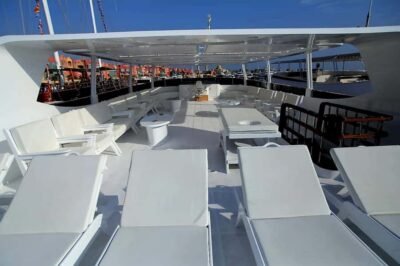 ★ 4.9Luxury Cruise Trip to Orange Bay with LunchFrom $535,451 reviews
 ★ 4.9Orange Bay Island Boat Trip w/ Breakfast and LunchFrom $345,345 reviews
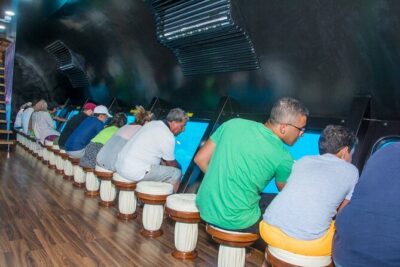 ★ 4.4Royal Seascope Submarine Cruise with Snorkel StopFrom $214,637 reviews
 ★ 4.73 Islands, Dolphins & Snorkel Yacht Trip w/ LunchFrom $474,609 reviews
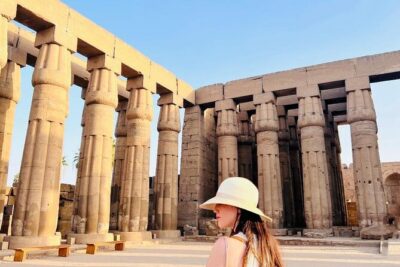 ★ 5.04-Days Nile Cruise From Aswan To Luxor including Abu Simbel and Hot Air BalloonFrom $3493,142 reviews
 ★ 4.2Dinner Cruise on the Nile River with EntertainmentFrom $252,190 reviews
 ★ 4.5Hula Hula Cruise with Lunch, Massage, & SnorkelingFrom $261,875 reviews
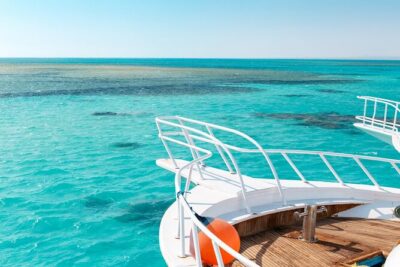 ★ 4.5White Island and Ras Mohamed Cruise AdventureFrom $261,824 reviews