
REVIEW · GIZA PYRAMIDS & SPHINX TOURS
Best Two-Day Guided Tours to the Ancient Cairo ,Giza Pyramids , Sakkara and More
Pyramids plus churches, minus Cairo stress. This 2-day guided small-group tour is a smart way to see Giza and Old Cairo without guessing routes or timing, and it keeps things comfortable with hotel pickup and drop-off. I especially like the way the guide connects what you see at the pyramids to the burial ideas of pharaohs, and I also like that you get expert explanations across Islamic and Coptic sites. One thing to plan for, entrance fees are at your own expense.
I also like the small-group size, up to 15 people, which helps the day feel organized rather than chaotic. And because your pickup includes air-conditioned vehicle transfers to and from Giza and downtown Cairo, you spend more time looking at monuments and less time dealing with street-level logistics.
The itinerary is packed across both days, so if you hate long sight days or museum time, you may want to build in some extra downtime after the tour.
In This Review
- Key things that make this 2-day Cairo plan work
- Cairo without the driving headache
- Day 1 on the Giza Plateau: pyramids, Sphinx, and the Valley Temple
- Saqqara’s Step Pyramid of Djoser: the world’s oldest major stone pyramid idea
- Dahshur: Red Pyramid entry chance and views of the Bent Pyramid
- Where Day 1 ends: transferred back to Cairo or Giza
- Day 2 at the Citadel: Muhammad Ali Mosque and the palace area
- Coptic Cairo: Hanging Church, St. Sergio, and Ben Ezra Synagogue
- Downtown Cairo and the Egyptian Museum: 5,000 years of objects
- Price and value: what $50 gets you, and what it does not
- What the small-group setup feels like day to day
- Weather and scheduling: the reality check
- Who should book this tour
- Final call: should you book?
- FAQ
- Are entrance fees included in the tour price?
- Does the tour include hotel pickup and drop-off?
- What if my hotel is in Heliopolis or Nasr City?
- How many people are in the group?
- How long is the tour?
- Is cancellation allowed if plans change?
Key things that make this 2-day Cairo plan work
- Hotel pickup and drop-off: direct transfers from Cairo or Giza hotels, so you skip navigating Cairo.
- Small group size (max 15): better pacing for asking questions and moving as a unit.
- Big pyramid hits in two days: Giza Plateau, Saqqara, and Dahshur all show up.
- Coptic Cairo plus Islamic landmarks: Hanging Church, St. Sergio, Ben Ezra Synagogue, and Muhammad Ali Mosque.
- Egyptian Museum included on Day 2: you also get time for Tutankhamen-related displays.
- Language choice with a named-style guide setup: reviews highlight Spanish-guided tours with guides like Mohamed and Rafa.
Ways onto the Giza plateau, compared
- Cairo: Pyramids & Great Sphinx Private Tour with Camel Ride★ 4.9 · 6,335 reviews
- Tour to Giza Pyramids and The Egyptian Museum★ 5.0 · 6,016 reviews
- VIP All inclusive Best of the best Giza Pyramids,Sakkara,Memphis★ 5.0 · 3,164 reviews
- From Cairo: Pyramids of Giza, Sphinx, Saqqara & Memphis Tour★ 4.7 · 3,110 reviews
Cairo without the driving headache
Cairo is not a great city for self-driving. Even when you know where you want to go, timing and getting from one district to another can be the hard part. That’s where this tour is practical: you’re picked up and dropped off from your hotel in Cairo or Giza, using an air-conditioned vehicle, with a guide leading the way.
The small-group cap matters here. When a group is limited to 15 people, you usually get fewer delays and a more predictable flow, especially when you’re moving between big, high-demand sites like the Giza Plateau and downtown museum areas.
One more detail I like for planning: you get a mobile ticket, which cuts down on last-minute hassle. And the tour operator, Hola Egipto, also confirms details at booking time.
Day 1 on the Giza Plateau: pyramids, Sphinx, and the Valley Temple
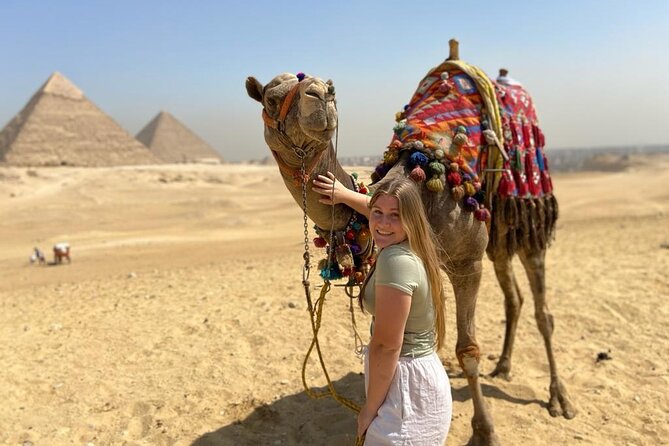
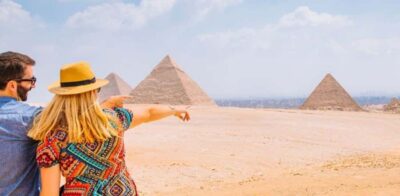
Day 1 starts in the morning at the Pyramids of Giza, and the flow is built around the core complex. On arrival at the Giza Plateau, your guide lays out the main pyramid names you’ll see, including Cheops, Chephren, and Mykerinus. That matters because the pyramids can blur together fast if you only have a map and a camera. The guide helps you connect each monument to the story of the pharaohs and the burial process.
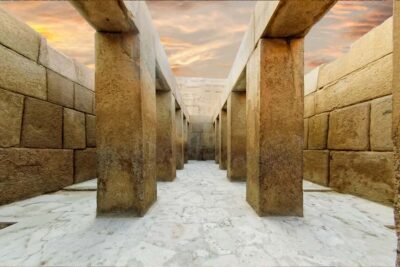
Then you’ll stop for the Great Sphinx. It’s the kind of monument you notice even from a distance, but what makes it memorable is understanding why it’s part of the same sacred landscape. After that, you visit the Valley Temple, which is part of the same ancient complex.
Timing note: this Day 1 segment is listed at 3 hours. That’s a good length to see the main sites without rushing through everything in one quick photo stop.
What to consider: the pyramids area can be busy, and you’ll be spending real time outside. If you’re sensitive to crowds or heat, bring a calm mindset and expect a lot of walking between points.
Saqqara’s Step Pyramid of Djoser: the world’s oldest major stone pyramid idea
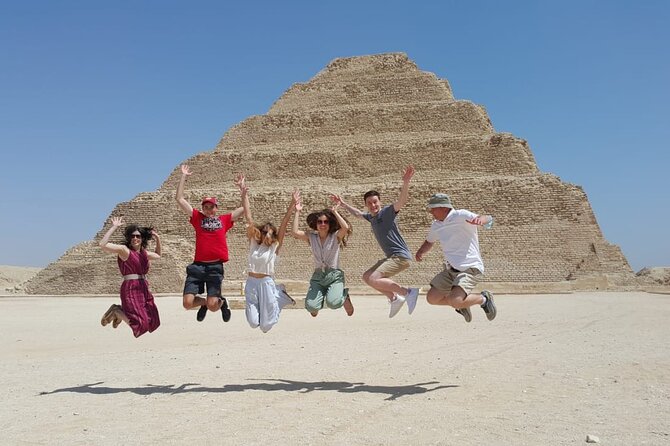
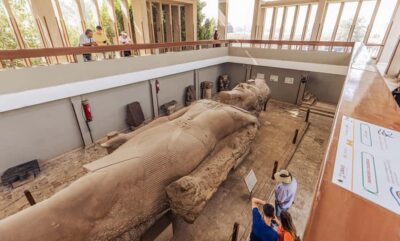
After Giza, you move to Saqqara (Sakkara). The headline here is the Step Pyramid of King Djoser. This is one of the best places in Egypt to see the idea of pyramid-building in a foundational way, because this step design is far older than the smooth-sided pyramids most people picture first.
Your stop is listed at 1 hour 30 minutes, so you’ll have time for both the big photo moment and some slower attention to the structure and setting. The tour includes the historical framing that the pyramid dates to around 2630 BC, and that it’s considered the world’s oldest major stone structure of this kind.
Why I like this stop for your first day: Saqqara gives context. After seeing the Giza pyramids, Saqqara helps you understand how Egypt’s pyramid style evolved rather than treating each monument as an isolated landmark.
Dahshur: Red Pyramid entry chance and views of the Bent Pyramid
Next is Dahshur, with a special focus on two pyramid shapes people talk about for different reasons. You’ll have a good chance to enter the Red Pyramid, and you’ll also get views for the Bent Pyramid.
The itinerary lists this Day 1 Dahshur segment as about 1 hour. That means the experience is more focused and less like a long wandering day. It’s a good match after a full morning at Giza and a stop at Saqqara.
If you care about getting inside at least one pyramid while you’re in the area, Dahshur is where the tour points you. And if you love comparing styles, you’ll get the “Red Pyramid inside” idea plus “Bent Pyramid views” to round out the day’s pyramid education.
Necropolis stops south of the city

Where Day 1 ends: transferred back to Cairo or Giza
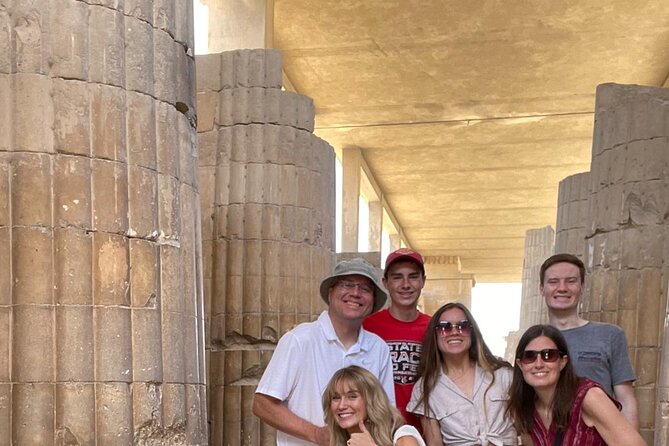
After Dahshur, you’re transferred to your hotel in Cairo or Giza. That’s a small detail, but it matters for your energy and your schedule. You’re not left trying to figure out transport after a long day. You also don’t have to worry about splitting your own time between Giza and Cairo neighborhoods.
This transfer keeps the day feeling contained, which is one reason this style of tour works well for people who want the monuments without adding stress.
Day 2 at the Citadel: Muhammad Ali Mosque and the palace area
Day 2 begins in the morning, starting from your hotel with a guide focused on Islamic and Coptic sites. The first stop is the Saladin Citadel, including the Muhammad Ali Alabaster Mosque, also known as Al Gowhara palace area built by Mamluks and Ottomans.
This stop is listed at 1 hour. That length is enough to see the big standout architecture without burning your whole morning. And it also shifts your understanding of Cairo from “ancient Egypt only” to a wider timeline of what’s been built, used, and preserved in the city.
One practical benefit: having the guide connect the architecture to the periods you’re seeing helps you avoid the common problem of looking at beautiful buildings but not knowing what you’re looking at.
Coptic Cairo: Hanging Church, St. Sergio, and Ben Ezra Synagogue
Then you head into Old Cairo, which is where the tour becomes more layered. You’ll visit a Roman fortress area, then the Hanging Church, also called Al Mo’allaka Church. You’ll continue to St. Sergio, associated with sheltering the holy family, and then end with the famous Jewish Synagogue of Ben Ezra.
This is listed as about 1 hour for the Coptic Cairo group of stops. Because it’s multiple landmarks in a single block, the guide’s pacing really matters, and that’s where having an expert helps you avoid the feeling of just passing by.
Why this section is a big deal for your trip: it turns Cairo into a shared living history. You’re not only looking at ancient Egypt. You’re also seeing how different faith communities left major marks in the same city.
Also, if you’re traveling with a group and want everyone to have more than one kind of “wow,” this Coptic Cairo portion tends to land well because it’s story-based and visually distinct.
Downtown Cairo and the Egyptian Museum: 5,000 years of objects
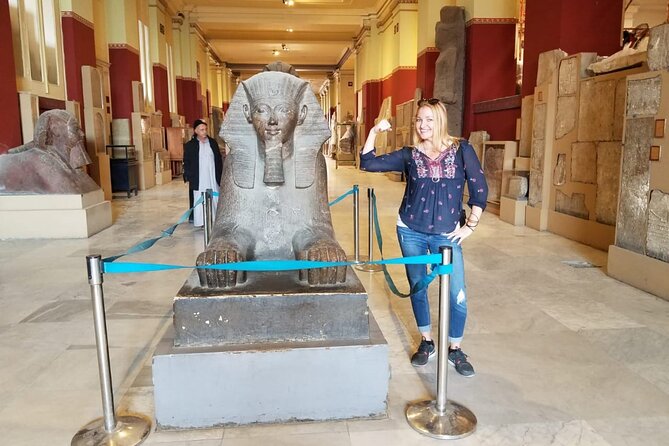
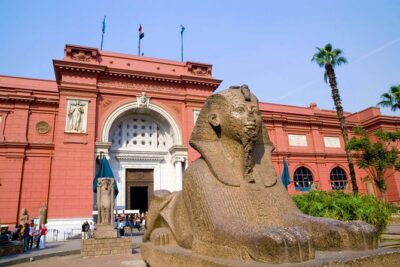
The final major stop is the Museum of Egyptian Antiquities, commonly referred to as the Egyptian Museum. This part is listed at about 3 hours and is one of the most valuable ways to use your second day, because it lets you see treasures that are too hard to track down on your own during a time-limited visit.
The tour describes a rare collection spanning about 5,000 years of art, framed as the largest and most precious collection of Egyptian art in the world. It also mentions you’ll have the chance to visit Tutankhamen tombs.
What I like about structuring your day this way: it gives you a change of pace from walking between outdoor monuments. You still get cultural depth, but you’re not trying to solve transportation between distant sites.
What to consider: museum time can feel fast because the collection is huge. With only a few hours, you’ll want to focus on what the guide points out rather than expecting to see everything.
Price and value: what $50 gets you, and what it does not
The price listed is $50 per person, for an approximate 2-day guided tour. On top of that, the tour notes that entrance fees are not included. That’s the biggest variable in your final cost, since you’ll pay for entry tickets for the sites.
So how do you judge value? For me, the value comes from three things you do not easily DIY in Cairo:
- Transfers in an air-conditioned vehicle from your hotel and back.
- An expert guide covering a lot of ground across two days.
- A plan that strings together major sites that are typically not simple to reach in one smooth itinerary.
The reviews also lean hard on the safety and comfort angle, like being picked up from the hotel and guided with a driver you trust. One review highlights Spanish guidance with Mohamed and driver Islam, and another credits Rafa with a complete Spanish experience and accurate information.
That combination, guide plus driver plus controlled pacing, is what turns this from a long list of attractions into a workable trip.
Additional cost note: if your pickup or drop-off is from Heliopolis or Nasr City, there’s an extra $10 per person per day.
What the small-group setup feels like day to day
With a maximum of 15 travelers, the tour is designed to be manageable. You’re not moving with a huge bus crowd, and you’re more likely to get a conversational guide experience rather than a lecture-through-a-speaker system.
This also tends to help with rhythm. When everyone is at the same key stops, you can spend time at the sights instead of regrouping over and over.
Language choice is also part of the practical value. The tour says you can choose your preferred language, and the reviews reflect strong Spanish-language service with guides named Mohamed and Rafa. If you want history and context, language quality matters more than people expect.
Weather and scheduling: the reality check
The tour requires good weather. If the experience is canceled due to poor weather, you’ll be offered a different date or a full refund. This matters most for outdoor time at Giza and Dahshur.
The itinerary also relies on the day starting in the morning. That’s not unusual for Cairo, but it does mean you should be ready for an early start on both days. The upside is you usually get to see sites before crowds peak.
Who should book this tour
This is a good match if you want:
- Two days of the biggest Ancient Egypt highlights without stitching together transport and tickets yourself.
- Old Cairo depth beyond just a quick church photo.
- A guide who explains what you’re seeing, including across different eras.
If your style is slow travel, you might find it too packed. But if your priority is efficiency and meaning, this itinerary is built for you.
It’s also ideal for first-timers to Cairo who want to feel safe and organized, especially since the tour avoids the stress of getting around on your own.
Final call: should you book?
I’d book this tour if you’re short on time and you want a plan that covers Giza, Saqqara, Dahshur, Coptic Cairo, and the Egyptian Museum in a guided format with pickup and drop-off. The biggest trade-off is entrance fees are extra, so check your budget for site tickets.
If you hate busy schedules or you prefer total freedom, you might prefer a la carte tours. But if you want a guided framework that takes you from pyramid contexts to church neighborhoods and into the museum, this is a strong, practical way to see more of Cairo without turning your trip into a logistics problem.
FAQ
Are entrance fees included in the tour price?
No. Entrance fees to the sightseeing are not included, so you’ll pay them yourself.
Does the tour include hotel pickup and drop-off?
Yes. Pickup and drop-off transfers by air-conditioned vehicle are included for hotels in Cairo or Giza.
What if my hotel is in Heliopolis or Nasr City?
The tour notes an extra $10 USD per person per day for pickup or drop-off from the Heliopolis area and Nasr City.
How many people are in the group?
The tour has a maximum of 15 travelers, keeping it a small-group experience.
How long is the tour?
It’s listed as 2 days, with each day broken into several stops.
Is cancellation allowed if plans change?
Yes. You can cancel for a full refund up to 24 hours in advance of the experience start time.
South to Saqqara and Dahshur

Giza, A Few More Ways In


More of Cairo from our review pile
- Cairo Layover Tour to Giza Pyramids Egyptian Museum and Khan Khalili Bazaar
★ 5.0 · 25 reviews - Private Luxor Day tour from Cairo by Flight
★ 5.0 · 25 reviews - Private full day tour to Giza Pyramids, Sphinx, Sakkara and Dahshour with guided
★ 5.0 · 25 reviews - Nile Dinner Cruise in Cairo With Belly Dancing and Transfer
★ 5.0 · 25 reviews - Private Giza Pyramids,Sphinx,camel,lunch, 2 tombs,Great Pyramid
★ 5.0 · 25 reviews - All inclusive Giza Pyramids ,Sphinx ,Lunch ,Camel&Inside pyramid
★ 5.0 · 25 reviews
Giza Pyramids & Sphinx Tours, compared.
 ★ 4.9Pyramids & Great Sphinx Private Tour with Camel RideFrom $486,335 reviews
 ★ 5.0Tour to Giza Pyramids and The Egyptian MuseumFrom $1556,016 reviews
 ★ 4.7Pyramids of Giza, Sphinx, Saqqara & Memphis TourFrom $903,110 reviews
 ★ 4.6Half-Day Tour to Pyramids of Giza and the SphinxFrom $502,891 reviews
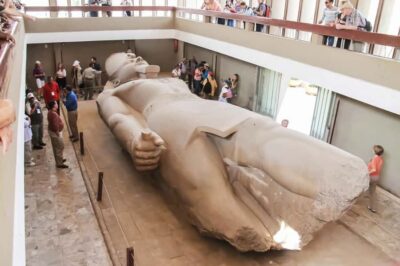 ★ 4.6Pyramids, Sakkara & Memphis Tour with LunchFrom $602,493 reviews
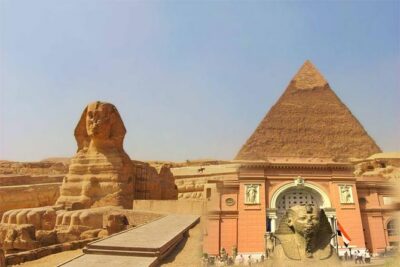 ★ 5.0Private ViP all-inclusive Giza Pyramids,Sphinx,Inside PyramidFrom $142,448 reviews
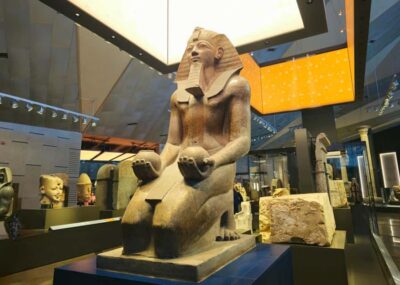 ★ 4.7Grand Egyptian Museum, Pyramids, Sphinx Tour & LunchFrom $892,282 reviews
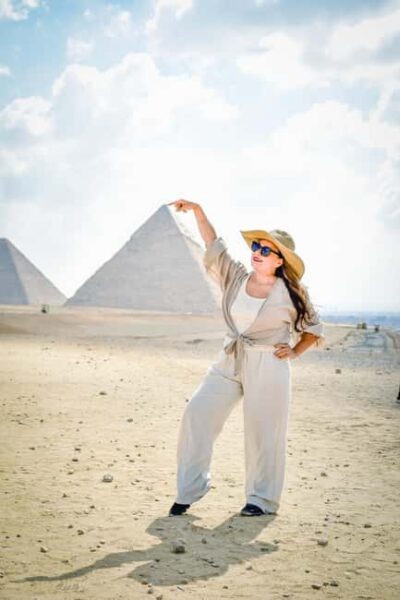 ★ 4.7Cairo Pyramids, Sphinx & Egyptian Museum Day TripFrom $932,271 reviews
The lists this one sits on