
REVIEW · 2-DAY EXPERIENCES
2 Days Tour to Around Cairo Attractions
Cairo hits in two days can feel like speed-running history, but this one is a smart mix. I like that you get a qualified Egyptologist guide for the full arc of sights, plus hotel or port pickup and drop-off so you are not wrestling with taxis. I also like how the day plan links the “why” behind each place, from downtown museum treasures to the royal hilltop views at Giza. One consideration: entry fees to major sites are not listed as included, so you will want to budget for tickets on top of the $165 price.
The result is a practical whirlwind that still leaves room to ask questions and get your bearings. It is also a small group format, with a maximum of 15 travelers, which helps a lot when you are moving between crowded streets and tight monument spaces. If you are traveling with kids, note that children must be accompanied by an adult.
In This Review
- Key points worth knowing before you go
- Why this 2-day Cairo plan works (and doesn’t feel random)
- Day 1 in Cairo: Egyptian Museum, then Saladin’s Citadel and Mohamed Ali Mosque
- Day 1 travel feel: how to dress and pace yourself for museums and monuments
- Day 2: Giza Plateau and the Sphinx, then Sakkara’s oldest stone structures
- Sakkara Necropolis: what you should expect from the change of scene
- Guides and photo-friendly moments: what the best days depend on
- Price and value: what $165 includes, and what may come separately
- Small group size: why max 15 travelers matters in Cairo
- Lunch breaks on this tour: use them wisely
- Who this tour suits best (and who might want something else)
- Should you book this 2-day Cairo Attractions tour?
- FAQ
- What time does the tour start?
- Where is pickup offered?
- How long is the tour?
- What is included in the price?
- What is not included?
- How big is the group?
- What should I wear?
- Are children allowed?
- How does free cancellation work?
Key points worth knowing before you go
- Early 7:30 am start helps you get through the busiest hours at major landmarks.
- Egyptologist guide coverage across both days means you are not just “looking,” you are learning the story.
- Downtown Cairo + Giza + Sakkara gives you museum context, then the pyramid age, then the older stone craft.
- Citadel of Saladin and Mohamed Ali Mosque add a different Cairo flavor beyond antiquities.
- Lunch included twice gives you a real break between long blocks of walking.
- Guides like Mimmo and Mohammad are praised for making photos easier and the day feel effortless.
Trying to choose? These Cairo trips kept surfacing in our notes.
- Cairo: Pyramids & Great Sphinx Private Tour with Camel Ride★ 4.9 · 6,335 reviews
- Tour to Giza Pyramids and The Egyptian Museum★ 5.0 · 6,016 reviews
- VIP All inclusive Best of the best Giza Pyramids,Sakkara,Memphis★ 5.0 · 3,164 reviews
- From Cairo: Pyramids of Giza, Sphinx, Saqqara & Memphis Tour★ 4.7 · 3,110 reviews
Why this 2-day Cairo plan works (and doesn’t feel random)
This tour is built around a simple idea: Cairo’s biggest attractions make more sense when you see them in sequence. Day 1 anchors you in downtown with the Egyptian Museum, so when you later look at pyramids and royal monuments, you already have the visual context in your head. Day 2 then shifts you to the Giza Plateau, the Sphinx, and the Sakkara necropolis, where you can connect the dots between stone building, royal power, and funerary art.
I also like the pacing logic. You are not only doing monuments, you are doing the “camera angles” and the “explain-it-to-me” moments that make the sights click. And because pickup is arranged from Cairo or Giza, you can start focusing on the experience instead of logistics.
The other big reason it works is the guide. In the experiences shared with this tour, names like Mimmo, Mohammad, and Franco show up often, and the theme is consistent: friendly energy, lots of practical explanation, and help with photos. That matters because the pyramids and museum halls can be overwhelming unless someone helps you frame what you are seeing.
Day 1 in Cairo: Egyptian Museum, then Saladin’s Citadel and Mohamed Ali Mosque
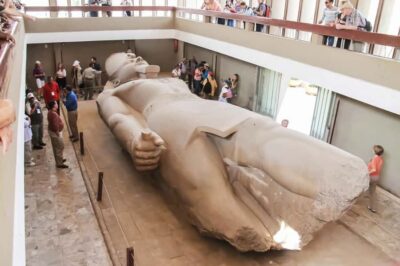
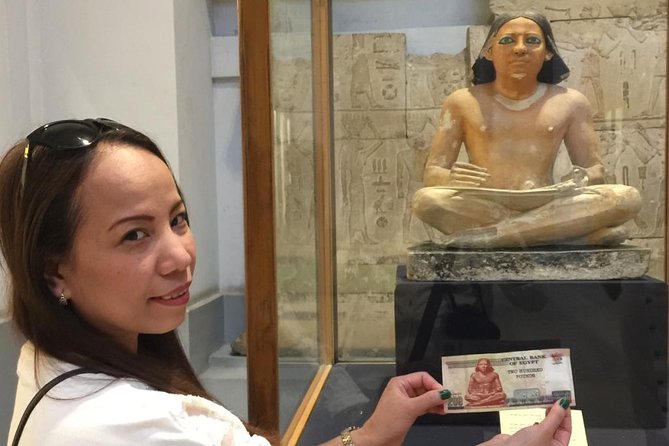
Day 1 starts with pickup from your accommodation in Cairo or Giza and a trip into downtown. Your first major stop is the Egyptian Museum of Antiquities at Tahrir Square, one of the most efficient places to get oriented fast. The museum’s standout is the sheer scale of its collection, with over 250,000 genuine artifacts spanning about 5,000 years, including a dedicated exhibit focused on King Tutankhamon.
What I like about beginning here is that it turns the rest of Cairo into something more than postcard scenes. You see the kinds of objects that were designed to preserve identity in the afterlife, plus royal power made tangible in metal, stone, and painted surfaces. Even if you do not read every label, the guide can point you to the main themes, so you leave with a clearer mental map.
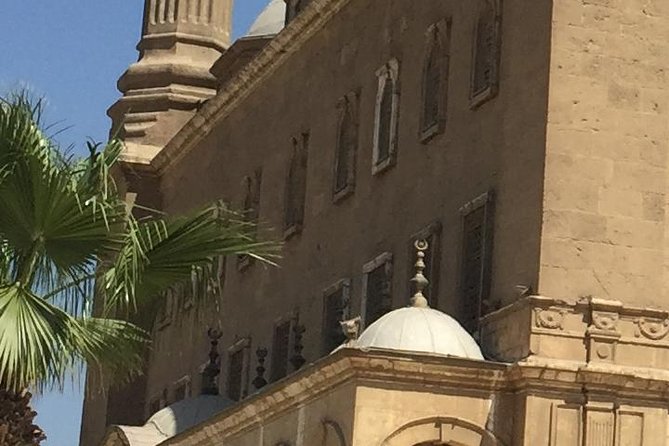
From there, you head to the Citadel complex: the Citadel of Saladin from the 12th century, followed by the famous monuments inside its walls. You will visit the Alabaster Mosque of Mohammad Ali, built in the 18th century, along with areas tied to other citadel structures such as the mosque of Suleiman Pasha and Joseph’s Walls. The citadel portion is where Cairo shows you its layers, not only the pharaonic age but also the city’s medieval and Ottoman-era power centers.
The practical value of the Citadel stops is that they give you a viewpoint and a “feel” for the city. Inside, you get monumental architecture, but outside and between areas you can often better understand how Cairo stretches around the old core. That context is useful the next day when the city gives way to the desert edge near Giza.
Day 1 travel feel: how to dress and pace yourself for museums and monuments
This tour lists a smart casual dress code, and that is a good match for these sites. The museum requires a comfortable walking mindset, and the citadel grounds involve stairs, stone steps, and uneven surfaces at points. Wear shoes you can walk in for hours without thinking about it.
Because Day 1 includes both museum time and multiple citadel monuments, I recommend you treat the day like two mini-adventures. Go into the museum ready to ask questions about what matters most to pharaonic life, then switch your brain at the citadel to architecture, rulers, and how the city defended itself.
Lunch is included on Day 1, which helps a lot. You do not have to hunt for food while the day keeps unfolding, and the included meal slot is a chance to cool down and refuel before more walking.
Day 2: Giza Plateau and the Sphinx, then Sakkara’s oldest stone structures
Day 2 also begins with pickup from your accommodation in Cairo or Giza, then it heads straight to the Giza Plateau, which is about 30 minutes from Cairo. This is one of the best-use-of-time parts of any Cairo visit, because seeing the pyramids with an organized plan beats trying to wing it.
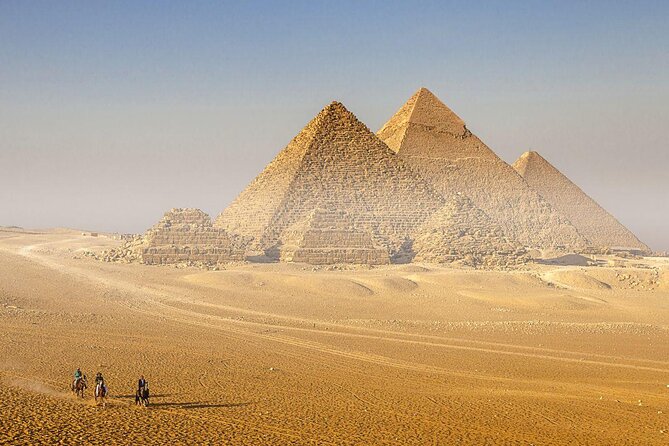
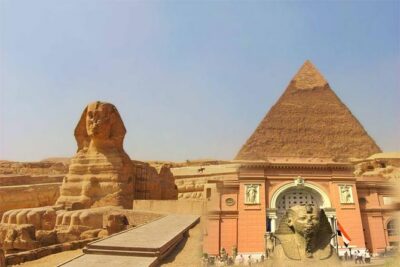
Your guide introduces the three pyramid sites: Cheops, Khafre, and Menakaure. That matters because people often look at three big shapes and miss the differences. A good guide can point out how each pyramid relates to its ruler, and how the plateau layout supports the whole story of the complex.
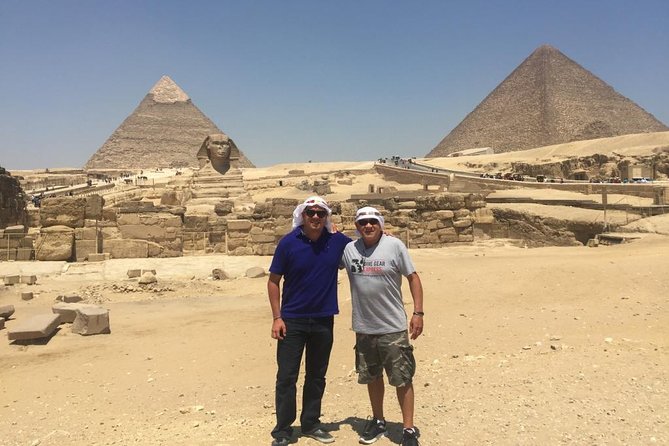
Then you move to the Sphinx, located a short distance from the city side of the plateau. The Sphinx is iconic, but it can also be oddly hard to “read” if you are standing there without guidance. Having someone explain what makes it significant, plus where to position yourself for the best views, makes the moment land.
Next on Day 2 is the Valley Temple, tied to the pyramids of Chephren (Khafre). This stop helps connect the dots between the main pyramid structures and the surrounding religious landscape. Even if the building is less dramatic than the pyramid itself, it gives you a better understanding of the ritual geography of Giza.
Sakkara Necropolis: what you should expect from the change of scene
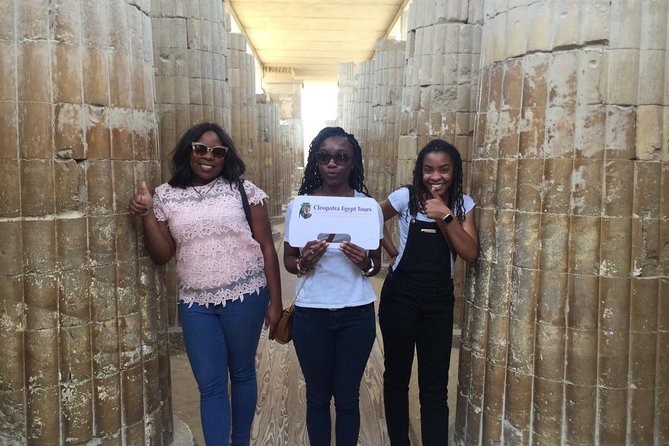
After Giza, the tour moves to Sakkara necropolis, often described as a key stepping stone in the history of stone monumental building. The tour highlights that Sakkara is home to the world’s oldest major stone structure, which instantly raises the stakes from “amazing ruins” to “engineering turning point.”
You will visit the necropolis area and then proceed to the Mastabas of Ti. If you are the kind of traveler who loves when old structures explain how construction methods evolved, this is your moment. Mastabas are not pyramid-sized, but they are part of the story of royal burials and how designs changed over time.
The best mental trick here is to slow down. The pyramids can make you rush out of awe, then Sakkara asks you to focus on form and function. Give yourself time to look at shapes, lines, and how the stone work laid foundations for later monumental projects.
Guides and photo-friendly moments: what the best days depend on
A tour like this lives or dies by the guide. In the shared experiences connected to this tour, Mimmo stands out repeatedly, with praise for energy, clear explanations, and helping people take great photos together. That is not a small detail. Many Cairo visitors end up with solo shots or blurry group pictures because they assume someone else will hold the camera.
You also see other guide names tied to the same strengths, like Mohammad, Franco, and Massimo, plus drivers including Saeed and Esam for safe and efficient transfers. Even with a tight schedule, an organized driver and an alert guide reduce the stressful parts: getting to the right entrance, managing timing, and keeping the group together.
If you care about photos, ask your guide where they recommend you stand before you click. For Giza especially, small moves can change the whole view. A guide who already knows the angles can save you time and frustration.
Price and value: what $165 includes, and what may come separately
At $165 per person for a 2-day program, the value is in what is bundled. You get a qualified Egyptologist guide, a private tour format, hotel/port pickup and drop-off, and lunch (2). You also get a mobile ticket, which often means less hassle once you are in the flow of the day.
What is not included is the entry visa to Egypt, accommodation, and “all fees and taxes.” That last part is important. Major attractions like the Egyptian Museum and pyramid zones often involve entry costs, and the “fees and taxes” note suggests you should expect to pay some site charges separately. Before you go, check what your final ticket set includes so you do not get surprised mid-trip.
The other value angle is time. With a tight two-day window, the alternative is piecing together museums, monuments, and transport on your own. Even if you feel comfortable navigating, the guide’s ability to connect museum artifacts to what you later see at Giza can be worth more than you think.
Small group size: why max 15 travelers matters in Cairo
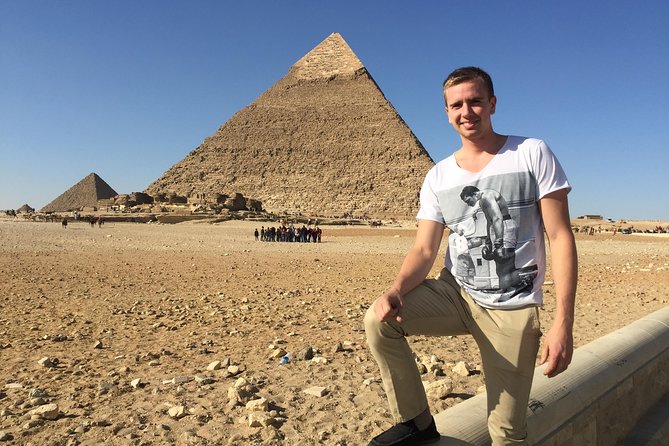
The tour is capped at 15 travelers, which is a sweet spot for Cairo sightseeing. Large groups can turn every stop into a waiting game. With a smaller group, the guide can actually manage questions, keep people moving, and adjust the plan if someone needs a slower pace.
Small group also helps with the practical side of photos and crowd pressure. Cairo’s popular sites can feel packed, and you want a guide who can keep you oriented and moving in the right direction. In the experiences tied to this tour, that “make it easy” feel appears again and again.
Lunch breaks on this tour: use them wisely
Lunch is included on both days, which is a real comfort in a city where you can burn time searching for food between stops. Try to treat lunch as a reset button: hydrate, rest your feet for 20 minutes, then return to monuments with calmer energy.
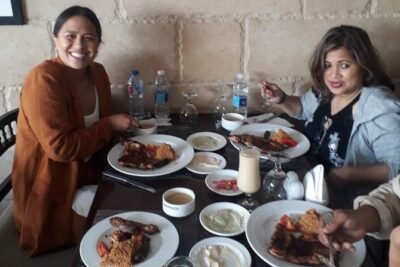
Some of the best feedback tied to guides here includes food recommendations and fresh drink stops, like fresh juices and standout local options. You can take that cue without making it complicated. If your guide offers suggestions, say yes to something simple and local that fits your schedule. The point is to keep the day smooth, not turn lunch into another trip.
Who this tour suits best (and who might want something else)
This is a strong fit if you want the classic Cairo backbone in a short window. If you are arriving for a couple of days and want museum context plus the pyramids and Sakkara, this plan gives you the essentials without making you juggle transport.
It also suits travelers who value a good guide. The repeated praise for Mimmo and Mohammad for explanations and photos suggests this tour is especially good when you want more than a checklist.
If you are traveling at a very slow pace, or if you know you want long, unstructured time inside each site, this may feel tight. Two days is fast by nature, so you will want to embrace the “see, learn, move” rhythm.
Should you book this 2-day Cairo Attractions tour?
Yes, you should consider booking if you want a time-efficient route with a real Egyptologist guiding your understanding. The standout value is that the tour covers the Egyptian Museum, the Citadel complex including Mohamed Ali Mosque, the Giza pyramids and Sphinx, and Sakkara, all with pickup and lunch included.
I would book it especially if you care about photos and explanations. The guide track record includes people getting help for great pictures, and that alone can make the experience feel smoother.
One more check before you click book: confirm what entry fees are included versus what you will pay on site. Since “all fees and taxes” are listed as not included, having that clarity in advance is the easiest way to keep the trip stress-free.
If you want your Cairo days to feel organized, story-driven, and photo-friendly, this is a solid choice for a compact trip.
FAQ
What time does the tour start?
The start time listed is 7:30 am.
Where is pickup offered?
Pickup is offered from your accommodation in either Cairo or Giza, and hotel or port pickup and drop-off is included.
How long is the tour?
It is listed as approximately 2 days.
What is included in the price?
Included items are a qualified Egyptologist guide, a private tour, hotel or port pickup and drop-off, and lunch (2).
What is not included?
Not included are gratuities (optional), the Egypt entry visa, accommodation, and all fees and taxes.
How big is the group?
The maximum group size is 15 travelers.
What should I wear?
The dress code is smart casual.
Are children allowed?
Children must be accompanied by an adult.
How does free cancellation work?
Free cancellation is available. You can cancel up to 24 hours in advance for a full refund.
More of Cairo from our review pile
- Cairo Layover Tour to Giza Pyramids Egyptian Museum and Khan Khalili Bazaar
★ 5.0 · 25 reviews - Private Luxor Day tour from Cairo by Flight
★ 5.0 · 25 reviews - Private full day tour to Giza Pyramids, Sphinx, Sakkara and Dahshour with guided
★ 5.0 · 25 reviews - Nile Dinner Cruise in Cairo With Belly Dancing and Transfer
★ 5.0 · 25 reviews - Private Giza Pyramids,Sphinx,camel,lunch, 2 tombs,Great Pyramid
★ 5.0 · 25 reviews - All inclusive Giza Pyramids ,Sphinx ,Lunch ,Camel&Inside pyramid
★ 5.0 · 25 reviews
2-Day Experiences, compared.
 ★ 4.52-Day Luxor Tour with Hotel, Balloon, & Boat RideFrom $2701,113 reviews
 ★ 5.0White & Black Desert tour 2 Days 1 night camping from Cairo.From $110649 reviews
 ★ 4.92-Day Bahariya Oasis Camp and Desert TourFrom $205616 reviews
 ★ 5.0White & Black desert camping tour 2 Days 1 night From CairoFrom $110467 reviews
 ★ 5.02 days cairo and giza attractions plus Gem, private tourFrom $90231 reviews
 ★ 5.0All Inclusive 2-Day Private Tour to All Pyramids and Cairo and 2 eveningsFrom $299187 reviews
 ★ 5.02-Day Top Attractions and Adventures Package in Luxor with AccommodationFrom $110178 reviews
 ★ 4.82-Day Bahariya & White Desert Private Camp AdventureFrom $162147 reviews
The lists this one sits on