
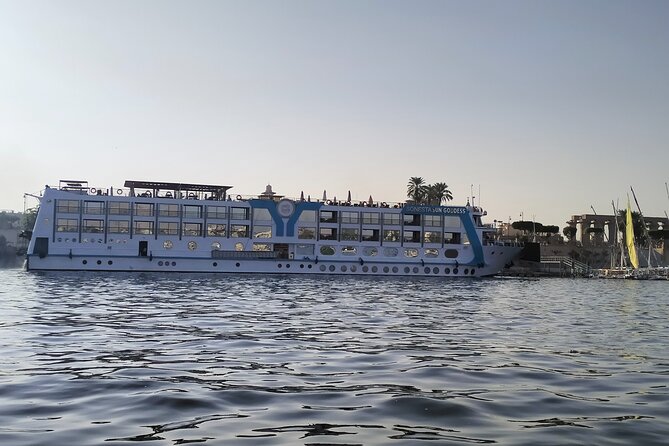
REVIEW · CRUISES & BOAT TOURS
12 Days all Egypt Cairo pyramid cruise Hurghada
Egypt moves fast, and this plan works. You’ll start in Cairo, hit Giza’s top sights, then slide into a multi-day Nile cruise through Luxor and Aswan before ending with a Red Sea all-inclusive reset in Hurghada. It’s ideal if you want to see a lot without micromanaging every connection.
I especially like the built-in logistics, with licensed drivers and an organized flow that keeps long days manageable. I also like the value of meals and onboard comfort, since the cruise and resort stays include food and drinks so you spend less time hunting for your next meal. One possible drawback: entrance fees are not included, so you’ll need to budget for tickets and tips along the way.
In This Review
- Key things you should know before you go
- Cairo to Giza: first day timing and what it sets up
- Giza Pyramids, Great Sphinx, and the Egyptian Museum in one sweep
- The first big move to Luxor: trains, airports, and getting into cruise mode
- Karnak and Luxor Temple: the guided stops that make it click
- Valley of the Kings and Hatshepsut: monuments that reward attention
- From Luxor to Edfu: the cruise day you can actually relax on
- Edfu Temple and Kom Ombo: two temples, different flavors
- Aswan: felucca time, Philae Temple, and the market vibe
- The transfer bounce back to Luxor, then the Red Sea break
- Hurghada at Sindbad Club: all-inclusive, plus an aqua park option
- Returning to Cairo and your last Giza hotel day
- What’s included, what costs extra, and where you should budget
- Price and value: is $1,800 a smart deal or just a hype number?
- Service quality: why the guide and driver team matters here
- Who this tour fits best, and who should think twice
- Tips to make this trip feel easier (and not just louder)
- Should you book this Cairo pyramid cruise to Hurghada?
- FAQ
- Are hotel pickups included?
- What does the price include?
- Are entrance fees included for the sights?
- Is Abu Simbel part of the main plan?
- What about tipping?
- What is the group size and tour language?
Key things you should know before you go
- Small group size (max 20) helps tours feel more coordinated than huge bus crowds.
- Five-star Nile cruise with full meals means fewer meal decisions and more time for temples and photos.
- English-speaking guide, in person plus Egyptologist-style interpretation on major stops.
- Two big transfer modes appear in the plan, with train and flights used depending on the route.
- Hurghada is all-inclusive at the end, giving you real downtime after busy sightseeing.
- Optional add-ons cost extra, including Abu Simbel, Alexandria, hot air balloon, and Nubian village.
Trying to choose? These Cairo trips kept surfacing in our notes.
- Cairo: Pyramids & Great Sphinx Private Tour with Camel Ride★ 4.9 · 6,335 reviews
- Tour to Giza Pyramids and The Egyptian Museum★ 5.0 · 6,016 reviews
- VIP All inclusive Best of the best Giza Pyramids,Sakkara,Memphis★ 5.0 · 3,164 reviews
- From Cairo: Pyramids of Giza, Sphinx, Saqqara & Memphis Tour★ 4.7 · 3,110 reviews
Cairo to Giza: first day timing and what it sets up
This tour begins with a pickup from your Cairo or Giza location, or from Cairo International Airport, with the practical goal of getting you settled at your Giza-area hotel. The start time is also written as 7:00 am, but your actual Day 1 pickup is “after midday,” so expect your first day to be about getting oriented, not rushing straight into temples.
You’re traveling with newer transportation and professional drivers, which matters a lot in Cairo traffic. You also get bottled water during tours, plus Wi-Fi at the hotels, so you can keep navigation and messaging simple if plans shift.
Before you go, one thing to keep in mind: many stops list admission tickets as not included. That means you’ll want a clear head about where your tour ends and where ticket time begins.
Giza Pyramids, Great Sphinx, and the Egyptian Museum in one sweep
The core of the Cairo portion is a concentrated morning at the Pyramids of Giza and the Great Sphinx. You’ll go early, spend a couple of hours at the pyramids, then add about 40 minutes for the Sphinx. It’s the right order, because morning light is usually kinder for photos and heat.
You’ll also stop at a papyrus shop, where the point is to show how ancient Egyptians made paper from papyrus plants. Even if you’ve seen tourist crafts before, this kind of demo is a quick way to connect objects to everyday life, not just monuments.
The Egyptian Museum in Cairo comes later for about two hours. It’s a huge collection, so two hours is more of a smart highlights session than a full marathon. Expect you’ll cover major galleries, then move on.
Two practical tips for this day. First, plan to wear shoes you can walk in for a long stretch. Second, set aside money for entrance fees, because several of these are explicitly marked as not included.
The first big move to Luxor: trains, airports, and getting into cruise mode
After Giza, the plan shifts into transport to Luxor. You’ll see options described as a sleeper train route from Giza to Luxor, plus an alternate approach that includes flights and airport transfers. Either way, the goal is the same: get you into Luxor quickly enough to start temple sightseeing without losing a full day.
When you land in Luxor, the itinerary turns on the history engine immediately. You check in to the cruise port after midday on the Luxor side, then the guided temple visits take over the rest of your time.
This is where the tour’s “see most of the wonders” pitch becomes real. You’re not just passing through. You’re building days around major temple sites, and the transport is the glue that holds it together.
Karnak and Luxor Temple: the guided stops that make it click
On the Luxor side, you’ll visit Karnak Temple first, around two hours dedicated to the complex. Then you’ll add Luxor Temple for about an hour. Karnak is massive, so the guide’s job here is important, because you need some structure to understand what you’re looking at.
The plan also includes a trained Egyptologist-style approach in the highlights, which is exactly what you want for places like these. Without explanations, temples can blur together into “cool walls.” With guidance, you start recognizing patterns and themes, and the sites feel less like random ruins and more like deliberate design.
No surprise, admission fees are not included here either. So again, budget ahead so you don’t hit the cash-only moment unprepared.

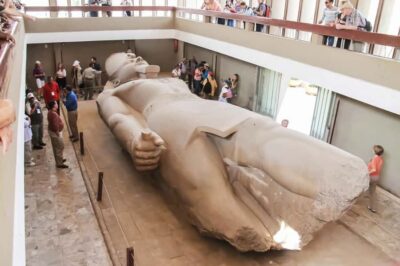
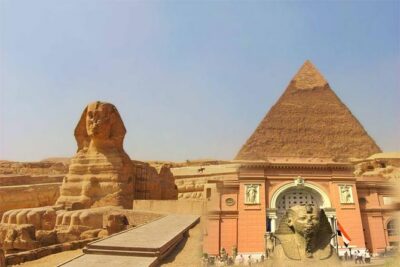
Valley of the Kings and Hatshepsut: monuments that reward attention
One of the most impressive days is the morning at the Valley of the Kings, scheduled for about two hours. Even if you’ve seen photos, this is one of those places where scale hits differently once you’re standing in the valley itself.
Then you go to the Temple of Hatshepsut at Deir el Bahari, around an hour. Hatshepsut is a strong story to center on because you’re not just looking at architecture. You’re seeing a site tied to a female pharaoh who reigned around 3,000 years ago.
Next comes the Colossi of Memnon, a quick stop. You’ll have about 20 minutes, which is short, but it gives you a chance to connect the statues with what was once part of a larger complex. If you love photo stops, this is one of the better ones because it’s straightforward.
Then the plan adds a production-style visit, the Luxfour alabaster factory, for about 20 minutes. Some travelers like these because they show how objects were shaped without modern machines. If you dislike shop stops, keep your expectations light, since this is meant to be educational but still tourist-focused.
From Luxor to Edfu: the cruise day you can actually relax on
After the daytime temples, the schedule deliberately shifts you toward relaxation. You’ll sail, and the plan notes that the boat set sail after lunch. That means your afternoon is spent on the Nile, not standing in lines.
Sailing days are more than downtime. They also help you pace the trip. This is the moment when the tour’s “luxury cruise” promise becomes practical, because you’re not constantly moving.
Your next major stop is Edfu, where the itinerary includes cruising time for about eight hours. That long transit is exactly why the cruise matters: it turns travel time into part of the experience instead of dead time.
Edfu Temple and Kom Ombo: two temples, different flavors
In the morning, you’ll go to the Temple of Horus at Edfu, about two hours. The tour calls it one of the most complete temples dedicated to the falcon god Horus, and the time on site makes sense because you’ll need a bit of pacing to enjoy the reliefs and layouts.
Then the ship heads to Kom Ombo, with sailing time listed at around six hours. Once there, you visit the Temple of Kom Ombo for about an hour, and this temple has a distinctive feature: it’s dedicated to two gods, Horus and Sobek. That dual dedication is one reason the visit feels different from Edfu, so it doesn’t feel repetitive.
You also have a crocodile mummies museum stop. It’s brief, but it adds a story element that connects religious beliefs to local traditions. If you like your ancient Egypt with a side of weird and wonderful, this part usually lands well.
Again, admission fees are not included for these stops, so be ready for those ticket moments.
Aswan: felucca time, Philae Temple, and the market vibe
Aswan is where the tour slows down in a good way. You’ll have an afternoon felucca ride listed for about an hour, plus time to either explore the market or relax onboard for about an hour.
Then comes Philae Temple, on Philae island, for about 1.5 hours. The temple is tied to the goddess Isis in the itinerary, which gives you a focused theme for the visit. If you like stepping into the story of a site rather than just viewing stonework, this is a strong stop.
The tour also includes a perfume bazaar stop at the Cleopatra Palace, described as a place where essential oils are made from flowers. This is one of those “educational shopping” moments, so keep your stance friendly and light, and treat it as a culture stop rather than a must-buy.
The transfer bounce back to Luxor, then the Red Sea break
After Aswan, the plan moves you back toward Luxor using train segments. You’ll see a night sleeper train referenced earlier in the trip, and then seat-based train service from Aswan to Luxor later. Either way, it’s part of the puzzle: use rail for distance, so you can still keep sightseeing days full.
On the Luxor side, you’ll also have a pickup and hotel transfer that includes a spa at Jolie Ville Luxor Hotel. That’s a smart inclusion if you want at least one genuinely restful block before the Red Sea. When your days include pyramids and temple walks, even a short spa reset can help you feel human again.
Then the plan shifts to Hurghada with private transfer listed for about three hours. The point is simple: you’re leaving the Nile zone and heading to a resort area where the itinerary becomes more forgiving.
Hurghada at Sindbad Club: all-inclusive, plus an aqua park option
Hurghada is the payoff zone. You’ll get moved to Sindbad Club, and your stay is described as all-inclusive, including meals plus drinks. The plan states drinks are included from 8 am to midnight, which is very helpful on a long resort day when you don’t want to decide between water, soda, and another round.
You’ll also have a full resort day, listed around nine hours. That’s exactly how you should use Hurghada, as a slow day. Swim, nap, eat, repeat, and don’t schedule yourself into exhaustion again.
The plan also includes Sindbad Aqua Park. This is optional in the sense that it’s listed as part of the transfer day, but it reads as a scheduled stop. If you’re traveling with teens or you just want a fun change from temples, it’s a nice switch.
Returning to Cairo and your last Giza hotel day
On the way back, the tour moves you from Hurghada to Cairo area and then into Giza hotel time. The route is listed with both shuttle bus time and an alternate flight option, so expect a logistical choice based on schedule and availability.
You’ll have a day that’s basically hotel downtime in Giza, listed around 11 hours. That’s not filler. It’s your chance to do laundry, repack, and collect your energy before departure.
Finally, the tour ends with a pickup back to your Cairo or Giza location, or Cairo International Airport. The stated finish time is 9:00 pm at your pickup location, so plan for a late-day wrap.
What’s included, what costs extra, and where you should budget
This tour includes a lot of comfort and structure, and that’s why the price works for many people. You get 3 nights at a Giza-area 4-star hotel with breakfast. You also get 4 nights on a 5-star deluxe Nile cruise with breakfast plus lunch and dinner. Luxor gets one hotel night with breakfast, then Hurghada is two nights at the Red Sea resort with breakfast, lunch, and dinner, plus all-inclusive drinks.
You also get an English in-person guide, Wi-Fi at hotels, tea coffee and juice at breakfast, and even afternoon tea and cake on the cruise while sailing. There’s also a built-in supply of bottled water during tours.
What costs extra is equally important. Entrance fees for excursions are not included, and tipping is noted as covering everyone except tour guides. Optional upgrades and add-ons are also not included, such as:
- Abu Simbel (optional day trip, duration listed at 10 hours)
- Alexandria day tour (optional, duration listed at 10 hours)
- Hot air balloon (optional, duration listed at 45 minutes)
- Nubian village (optional, duration listed at 4 hours)
- Old Cairo, Cairo Citadel and Khan El khalili (optional, duration listed at 5 hours)
- GEM and civilization museum (optional, duration listed at 5 hours)
- Step pyramid, Memphis, and Dahshour (optional, duration listed at 7 hours)
If you’re cost sensitive, the entrance fees and tips are where your final total can move. So I’d treat the tour price as the framework, not the whole budget.
Price and value: is $1,800 a smart deal or just a hype number?
At $1,800 per person, this is not a cheap “hop on and off” trip. But it also isn’t just tickets and a bus.
You’re paying for a full multi-day package that includes hotel stays in Cairo and Giza, a premium Nile cruise with meals, a Luxor hotel night, plus an all-inclusive Hurghada resort block with drinks. You’re also paying for transportation that uses drivers, train segments, and air connections where needed, which is hard to replicate cheaply if you’re trying to DIY.
Where value can drop a bit is if you add lots of optional extras like Abu Simbel or Alexandria. Those are genuinely worth considering, but they can raise your all-in spending.
For most people, though, the price makes sense if you want one organized run that hits the major sites: pyramids, Karnak, Valley of the Kings, Hatshepsut, Edfu, Kom Ombo, Philae, and a Red Sea reset at the end.
Service quality: why the guide and driver team matters here
Egypt is a place where details can make or break your day, and this tour heavily leans on the human side. In the kind of feedback you hear most for this program, the organizer Hassan is repeatedly credited with customizing and keeping things smooth. Names like Ismail and Ahmed also show up in the mix when people talk about how guides and drivers improved the experience.
That lines up with what you feel on the ground. When you’re dealing with heat, ticket timing, and long transfers, a calm driver and a good guide do real work. They keep you moving, and they also help you understand what you’re seeing.
Who this tour fits best, and who should think twice
This is a strong match for you if:
You want to check major Egypt sights off in one trip.
You like having transport and meals handled.
You’ll enjoy temple context from a guide instead of reading on your own.
You might think twice if:
You hate shop stops like papyrus, alabaster, or perfume bazaar demos.
You prefer a slower pace with fewer transfers.
You’re allergic to paying extra entrance fees and tipping.
This is a packed itinerary in the best way, but it’s still a lot of days. Build your expectation around “big highlights, organized pace,” not around lingering for hours in one museum.
Tips to make this trip feel easier (and not just louder)
Start with your feet. Wear supportive shoes and keep a light layer for indoor museum AC. Bring a small amount of cash for tickets and tipping, since entrance fees are not included.
Also, plan your mindset for the rhythm shift. You’ll go from pyramids to museums to trains to temples to cruising, then suddenly to a resort where the only plan is enjoying the water. If you can accept that rhythm as part of the fun, you’ll have an easier time.
Finally, choose optional add-ons based on your energy level. Abu Simbel and Alexandria sound incredible, but they are long days. If you’re unsure, you can also save that energy and enjoy the core route plus the Hurghada downtime.
Should you book this Cairo pyramid cruise to Hurghada?
I’d book it if you want one streamlined, high-coverage Egypt trip that mixes pyramids, Nile cruise temples, and a real all-inclusive resort finish. The value is strongest when you want convenience, built-in meals, and transport handled by professionals, not when you want to design your own route from scratch.
I wouldn’t book it if you’re trying to keep total costs extremely low or if you want flexible daily pacing. Between entrance fees, tipping, and optional add-ons, your final price can rise.
If you do book, pick your optional day trips carefully, budget for tickets, and treat Hurghada like your reward day. That shift from ancient sights to resort time is the smart way to keep the whole trip enjoyable.
FAQ
Are hotel pickups included?
Yes. The tour includes pickup from your location in Cairo or Giza, or from Cairo International Airport. A driver or tour guide waits holding a sign with the lead travel name.
What does the price include?
It includes hotel stays in Giza (breakfast), a Nile cruise (breakfast plus lunch and dinner), a Luxor hotel night (breakfast), and a Red Sea resort stay in Hurghada (breakfast, lunch, dinner, and all-inclusive with drinks). It also includes Wi-Fi at hotels, bottled water during tours, and an English in-person guide.
Are entrance fees included for the sights?
No. Entrance fees for excursions included in the itinerary are not included, even though the tour visits those places. Government prices apply for ticketed entries.
Is Abu Simbel part of the main plan?
Abu Simbel is listed as an optional day trip (duration 10 hours), and it is not included in the package.
What about tipping?
Tipping is not included for everyone except tour guides. It’s listed as covering everyone else, so you should plan to tip separately.
What is the group size and tour language?
The maximum group size is 20 travelers. The tour language is English, and other languages are available with a professional speaking private extra supplement.
More of Cairo from our review pile
- Cairo Layover Tour to Giza Pyramids Egyptian Museum and Khan Khalili Bazaar
★ 5.0 · 25 reviews - Private Luxor Day tour from Cairo by Flight
★ 5.0 · 25 reviews - Private full day tour to Giza Pyramids, Sphinx, Sakkara and Dahshour with guided
★ 5.0 · 25 reviews - Nile Dinner Cruise in Cairo With Belly Dancing and Transfer
★ 5.0 · 25 reviews - Private Giza Pyramids,Sphinx,camel,lunch, 2 tombs,Great Pyramid
★ 5.0 · 25 reviews - All inclusive Giza Pyramids ,Sphinx ,Lunch ,Camel&Inside pyramid
★ 5.0 · 25 reviews
Cruises & Boat Tours, compared.
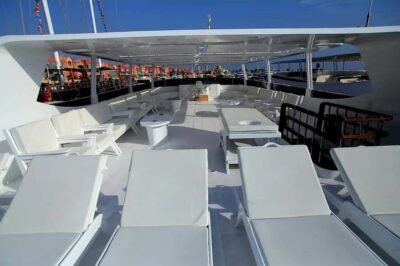 ★ 4.9Luxury Cruise Trip to Orange Bay with LunchFrom $535,451 reviews
 ★ 4.9Orange Bay Island Boat Trip w/ Breakfast and LunchFrom $345,345 reviews
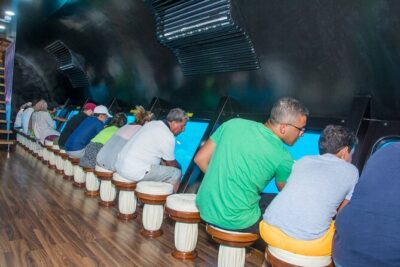 ★ 4.4Royal Seascope Submarine Cruise with Snorkel StopFrom $214,637 reviews
 ★ 4.73 Islands, Dolphins & Snorkel Yacht Trip w/ LunchFrom $474,609 reviews
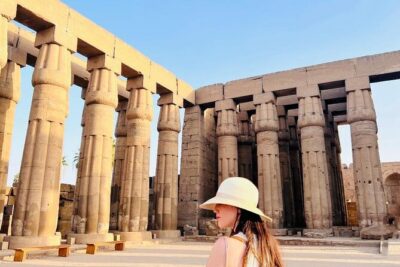 ★ 5.04-Days Nile Cruise From Aswan To Luxor including Abu Simbel and Hot Air BalloonFrom $3493,142 reviews
 ★ 4.2Dinner Cruise on the Nile River with EntertainmentFrom $252,190 reviews
 ★ 4.5Hula Hula Cruise with Lunch, Massage, & SnorkelingFrom $261,875 reviews
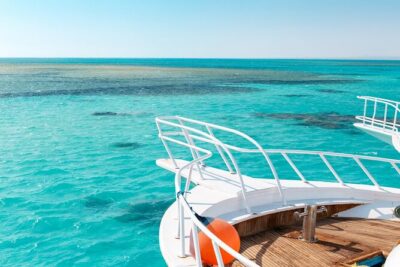 ★ 4.5White Island and Ras Mohamed Cruise AdventureFrom $261,824 reviews